Silicone Leather for Cruise Ship Interiors: Key Specs, Tests, and Selection Tips
Cruise ship interiors operate in one of the most demanding environments in the hospitality industry. Constant humidity, salt exposure, intensive cleaning cycles, and strict marine safety regulations place extremely high requirements on interior upholstery materials.
As modern cruise design continues to prioritize durability, hygiene, and long-term appearance, silicone leather has become an increasingly preferred material for cruise ship interior applications. Compared with traditional PU or PVC leather, silicone-based upholstery offers superior resistance to moisture, UV exposure, staining, and microbial growth — all critical factors in marine environments.
From passenger cabins and public lounges to dining areas and crew spaces, selecting the right silicone leather requires careful evaluation of technical specifications, international testing standards, and material performance criteria.
This guide explores the key specifications, required tests, and practical selection tips for choosing silicone leather suitable for cruise ship interior projects.
Extended voyages place exceptional demands on the materials used throughout cruise ship interiors. Upholstery surfaces must perform reliably under continuous exposure to high humidity, fluctuating temperatures, and limited ventilation conditions.
In marine environments, materials are challenged by multiple risk factors — including persistent moisture that encourages mold growth, salt-laden air that accelerates corrosion, and prolonged ultraviolet radiation that can degrade surface stability and color fastness. These conditions make material selection a critical engineering decision rather than a purely aesthetic choice.
For this reason, interior materials used on cruise ships must demonstrate proven resistance to moisture, microbial growth, UV aging, and chemical cleaning agents to ensure long-term safety, durability, and appearance retention at sea.
Traditional materials like genuine leather and PU Synthetic leather fall short under these conditions. The challenge lies in selecting a safe and stable Boat Upholstery fabric for waterborne travel.
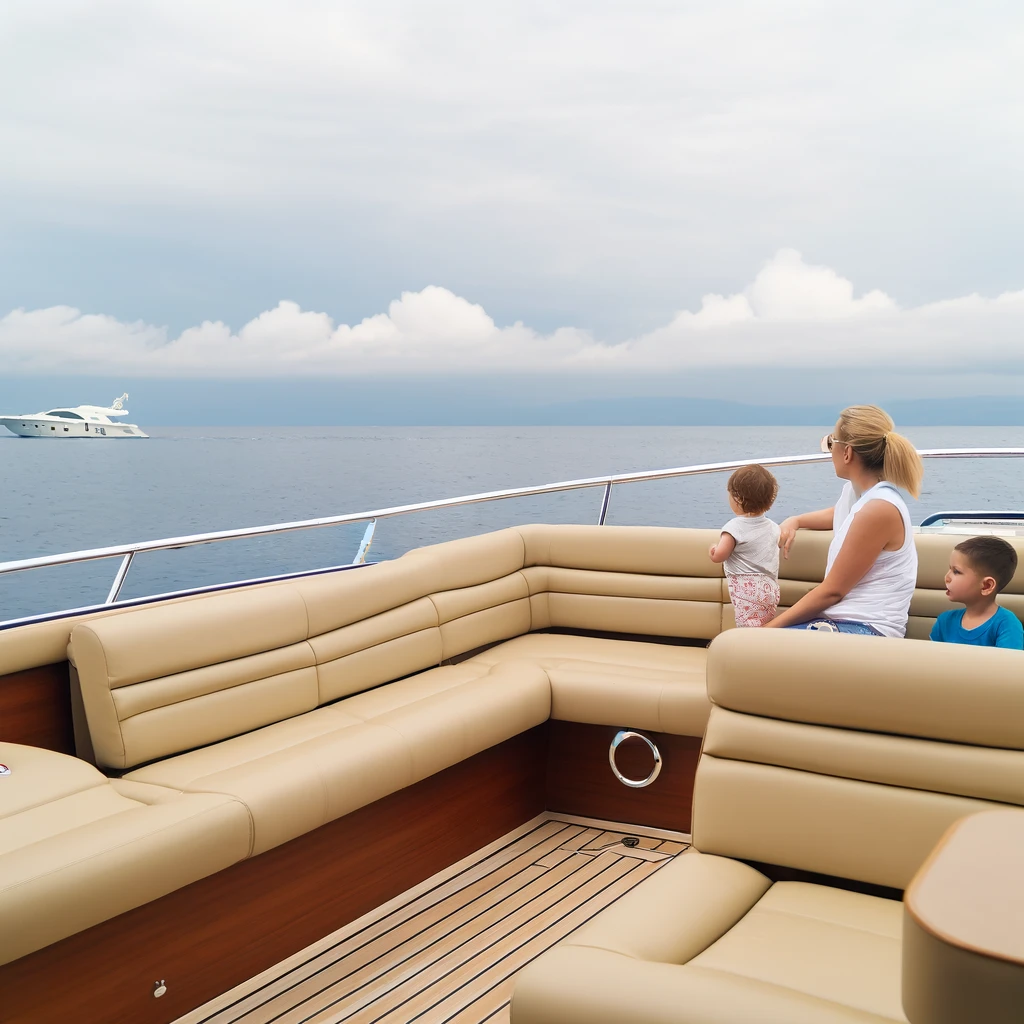
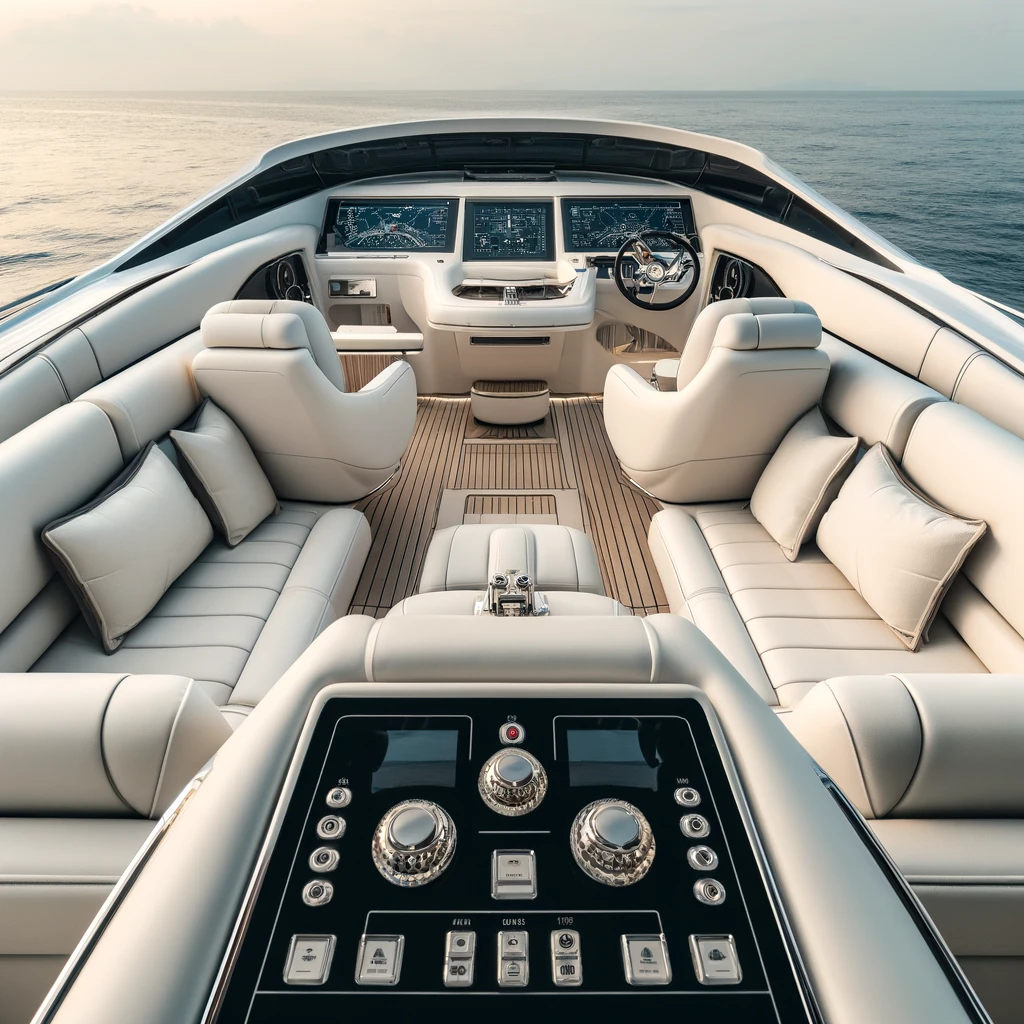
The advent of silicone leather perfectly addresses this challenge. Thanks to its stable and unique chemical structure, with a silicon-oxygen backbone, silicone leather as Boat Seat Fabric offers excellent resistance to UV rays, mold, salt fog, and hydrolysis, making it exceptionally suited for maritime interior and exterior decorations, furniture, marine upholstery, marine cushions, boat interior upholstery and boat seating material.
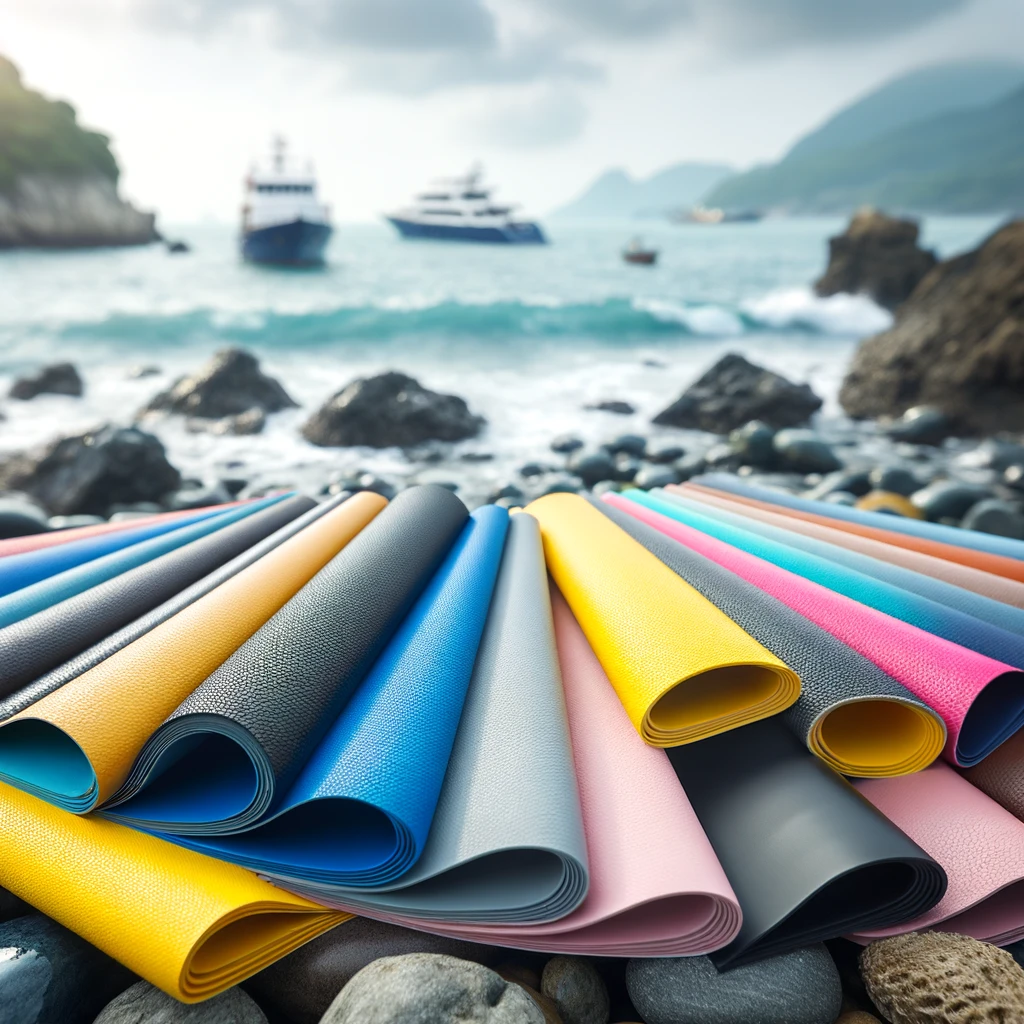
Below Silicone Leather Data Sheet for your better reference:
Silicone Leather Performance Features
| UV Resistance | Withstands 1500 hours of UV aging without discoloration or fracturing |
| Mold Resistance | Complies with ASTM G-21 standards; antimicrobial properties confirmed by AATCC 147-2004 |
| Salt Fog Resistance | Endures 1000 hours of continuous salt spray without peeling or resticking |
| Hydrolysis Resistance | Sustains 2352 hours of high-temperature and high-humidity aging without peeling or resticking. |
| Natural Aging | Maintains color and integrity through 365 days of natural weathering, resisting fading and cracking under sun and rain exposure |
| Stain Resistance | Low surface energy prevents adhesion of stains. Most stains can be effortlessly wiped away with water or alcohol. |
| Durability | Has passed rigorous wear tests including Wyzenbeek and Martindale abrasion resistance |
| Safety | Additive-free and has passed biocompatibility tests, made from food-grade silicone material |
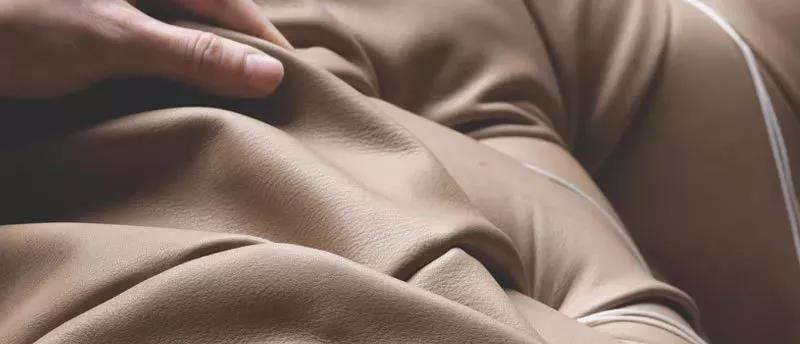
For travelers, safety is paramount, but so is comfort. Whether it’s the seats passengers lean on, the beds they rest in, or the steering wheels and seats touched by the crew, the delicate feel, soft texture, and skin-friendly smoothness of eco friendly silicone leather make the journey far more comfortable and enjoyable.
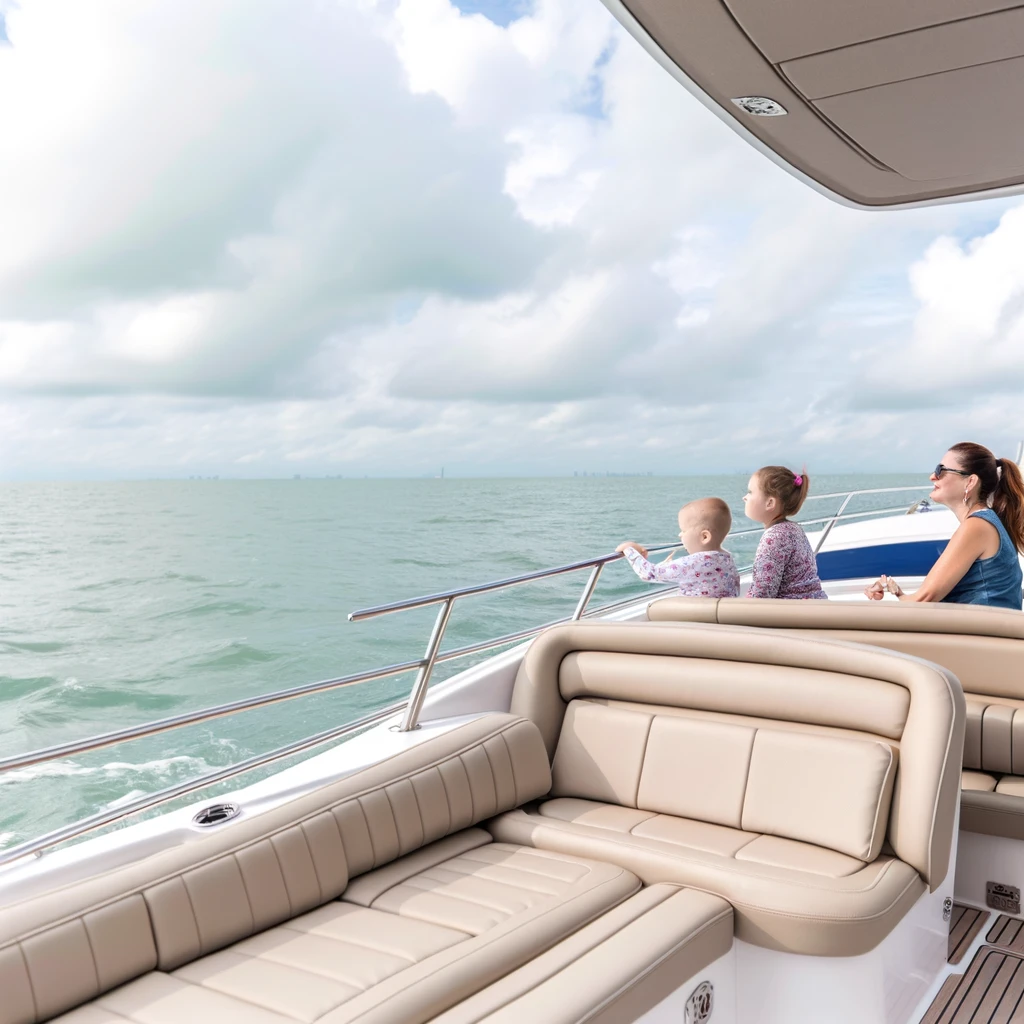
Why Cruise Ship Interiors Require Specialized Upholstery Materials
Cruise ship interiors operate under conditions that differ significantly from land-based hospitality environments. Long operating cycles, limited downtime for refurbishment, and continuous passenger traffic place high demands on upholstery durability and hygiene.
Unlike hotels or residential interiors, cruise vessels are exposed to constant vibration, temperature variation, salt-laden air, and elevated humidity levels. These factors accelerate material aging and increase the risk of surface degradation, odor retention, and microbial growth.
In addition, cruise interior materials must comply with strict international marine safety regulations related to fire behavior, smoke density, and toxicity. As a result, upholstery materials must balance comfort, durability, safety compliance, and long-term performance — making material selection a critical engineering decision rather than a decorative preference.
Key Performance Specifications for Silicone Leather
Silicone leather is increasingly specified for cruise ship interiors due to its stable molecular structure and surface performance advantages.
Key specifications typically evaluated include:
-
Abrasion resistance to withstand continuous passenger use
-
Hydrolysis resistance for long-term exposure to moisture
-
UV stability to prevent fading near windows and open decks
-
Mold and mildew resistance in humid marine conditions
-
Chemical resistance against frequent disinfectant cleaning
-
Soft hand feel with structural stability for seating comfort
-
Low VOC emissions to support indoor air quality
These performance characteristics allow silicone leather to maintain appearance and functionality throughout extended service periods at sea.
Selection Tips for Cruise Interior Projects
When selecting silicone leather for cruise ship interiors, project teams should consider the following factors:
-
Confirm marine fire certification according to IMO FTP requirements.
-
Evaluate abrasion performance based on usage intensity of each area.
-
Verify UV aging results for spaces exposed to sunlight.
-
Check chemical resistance for approved onboard cleaning agents.
-
Review color stability across production batches.
-
Request sample testing under simulated marine conditions.
-
Confirm supplier experience with cruise or marine projects.
Early coordination between designers, material suppliers, and shipyards helps reduce approval risks and ensures smooth project execution.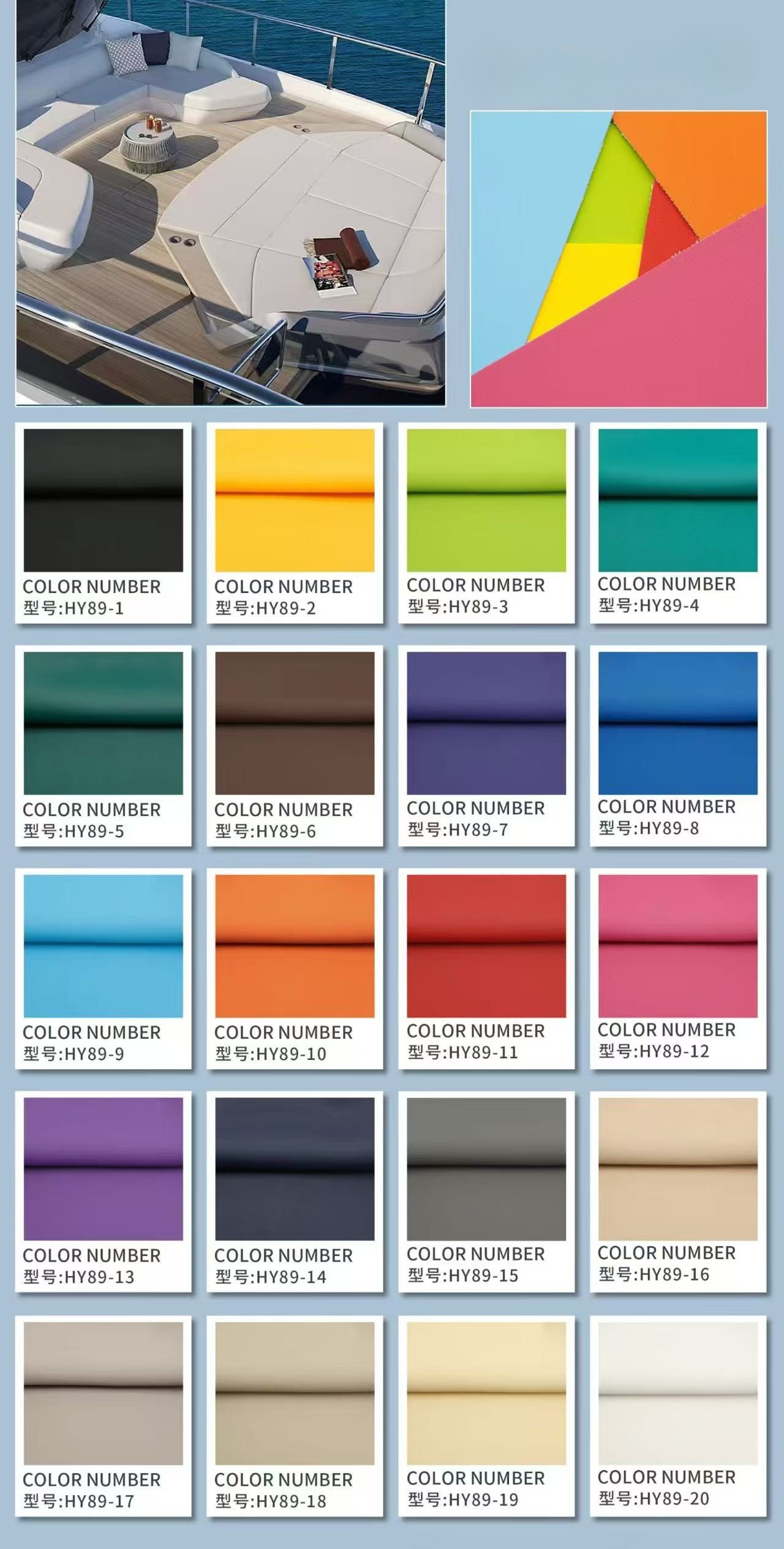
Frequently Asked Questions
Is silicone leather suitable for all cruise ship interior areas?
Silicone leather is widely used in cabins, lounges, dining areas, corridors, and medical spaces. Final selection depends on fire ratings and design requirements.
Does silicone leather perform well in high-humidity environments?
Yes. Its molecular structure offers excellent resistance to moisture, hydrolysis, and microbial growth.
Is silicone leather easy to clean onboard?
Silicone leather tolerates frequent cleaning and disinfectants without surface damage, making it suitable for cruise hygiene protocols.
How does silicone leather compare in service life?
In marine environments, silicone leather typically offers a longer usable lifespan compared to conventional PU or PVC leather.
Can silicone leather meet cruise ship fire regulations?
High-quality silicone leather can meet IMO FTP fire testing requirements when properly certified.