Faux Leather vs Genuine Leather for Furniture: Pros, Cons & Best Uses
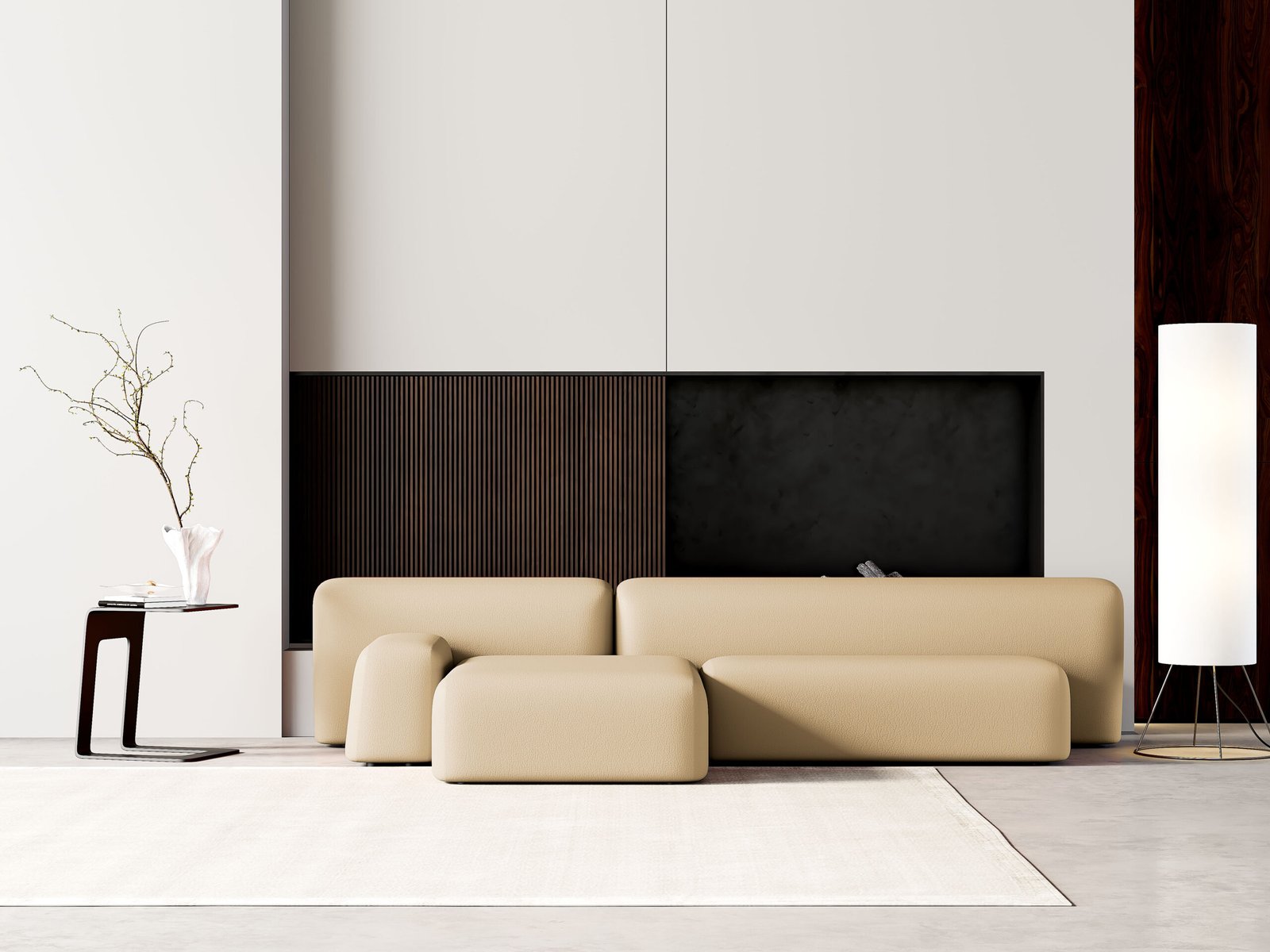
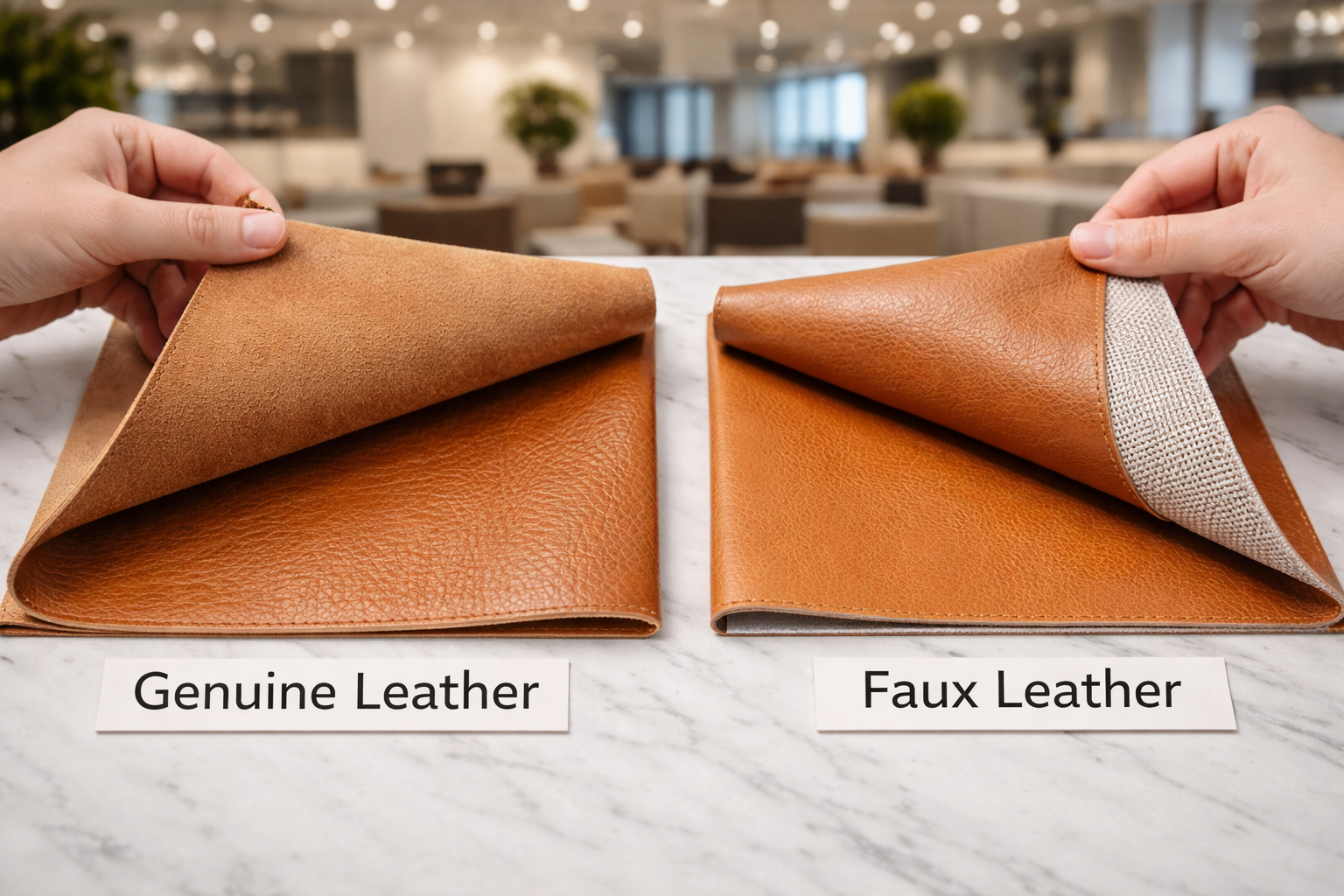
When it comes to choosing between faux leather and real leather for furniture projects, the decision can feel like choosing between two premium options — each with strengths, limitations, and ideal use scenarios.
Both materials are widely used in residential, hospitality, and commercial interiors. The right choice depends not only on appearance, but also on performance expectations, maintenance routines, regulatory requirements, and long-term cost control.
Faux Leather: Why Buyers Choose It for Furniture Projects
1) Consistency & Scale Control (Large Projects Win Here)
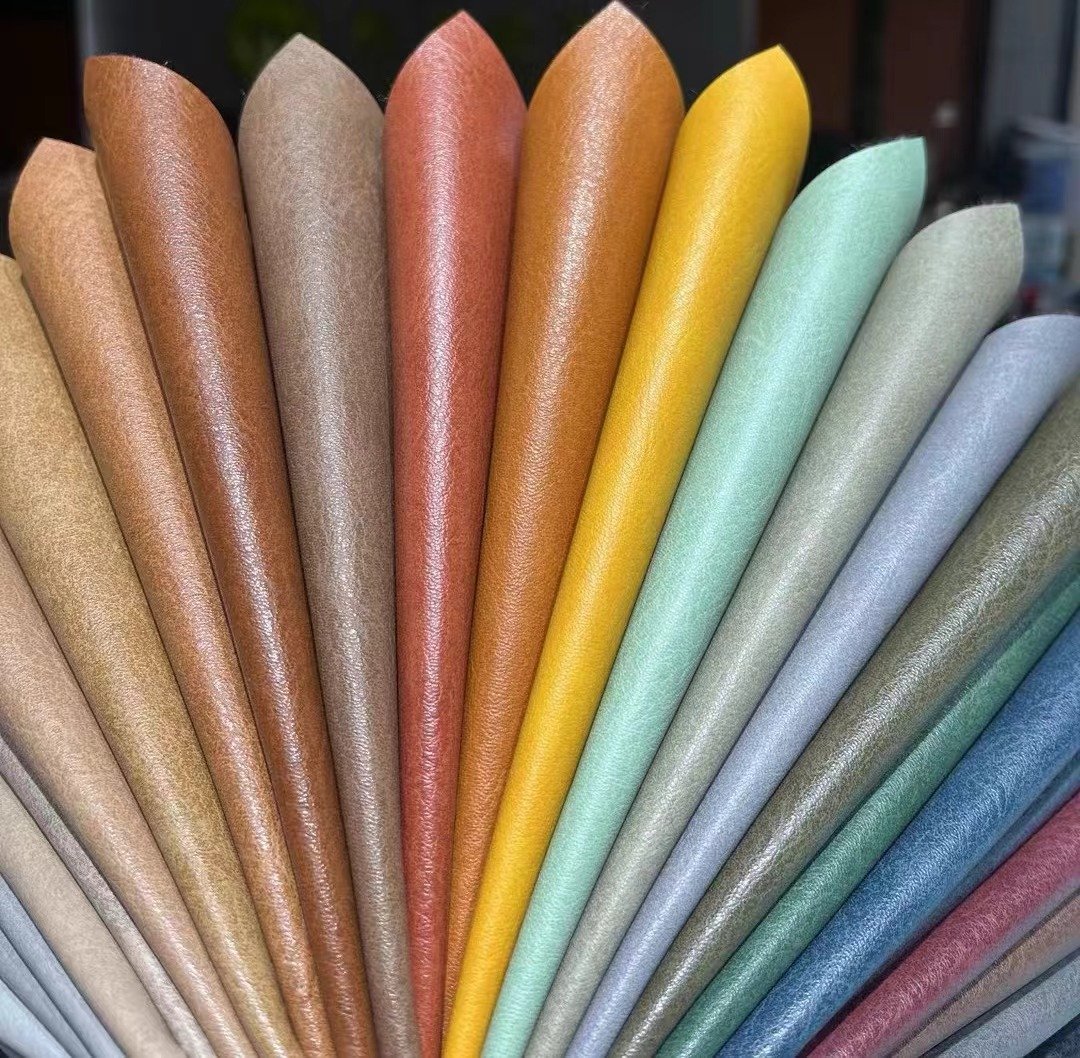
For hospitality and commercial furniture, consistency matters — identical color tone, grain pattern, and surface behavior across production batches. Engineered synthetic leather provides significantly better batch stability than natural hides.
Materials such as PU leather, PVC leather, and Silicone leather allow manufacturers to maintain uniform appearance even across large-volume furniture programs.
2) Cost Control & Pricing Predictability
Natural leather pricing fluctuates heavily based on hide availability, grading, and seasonal supply. Faux leather offers stable cost forecasting — critical when quoting hospitality projects or maintaining consistent pricing across multiple SKUs.
For brands with sustainability positioning, Eco leather options also support clearer environmental messaging while maintaining controlled production costs.
3) Design Freedom (Textures & Surface Effects)
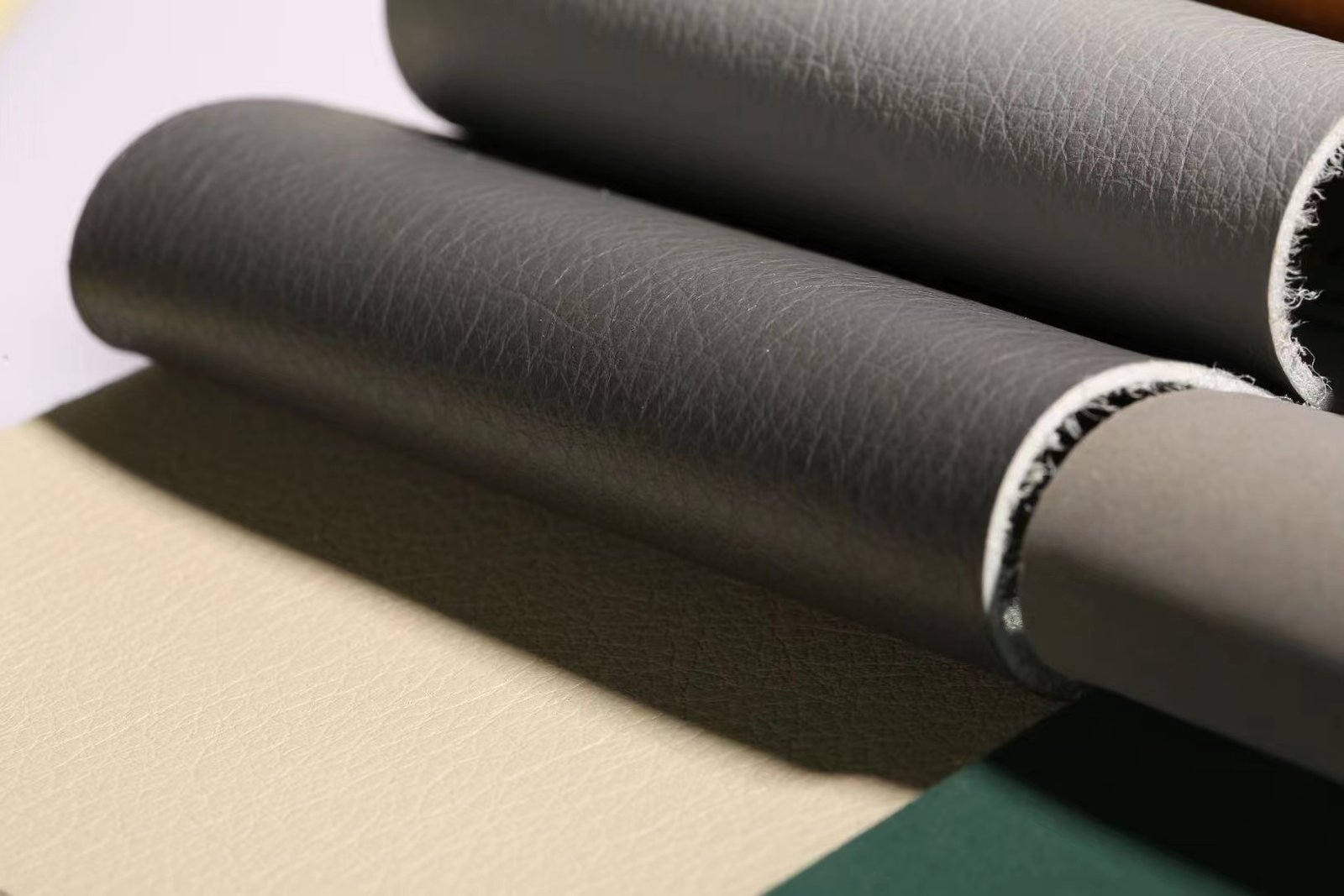
Unlike natural hides, engineered materials allow precise surface control. Decorative textures such as
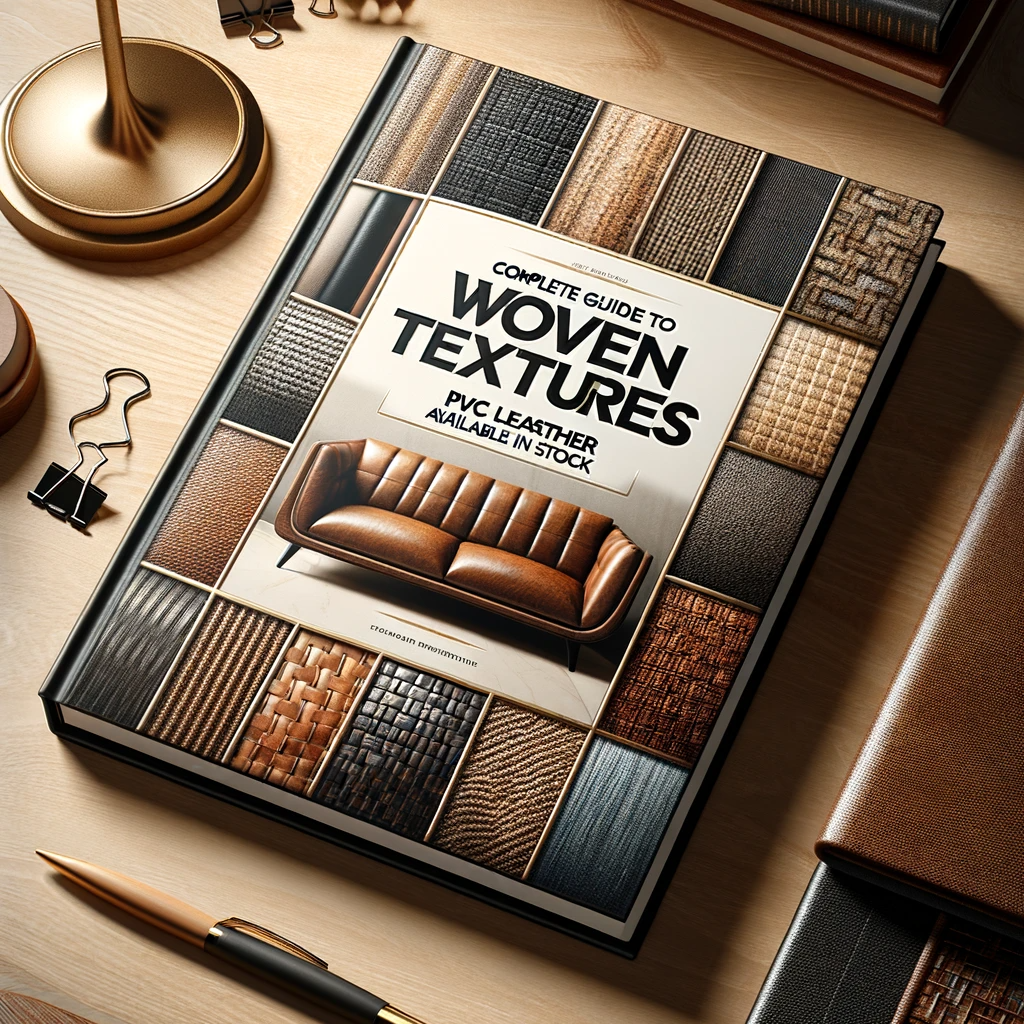
Animal design leather and Woven design leather can be reproduced consistently at scale — something nearly impossible with genuine leather.
This design flexibility is especially valuable for modern interiors, themed hospitality spaces, and branded commercial environments.
4) Maintenance & Operational Reality
In hotels, restaurants, and office lobbies, furniture is cleaned frequently. Engineered surfaces outperform natural leather under aggressive maintenance routines.
Many projects therefore specify easy clean leather to support daily wipe-downs while maintaining surface integrity.
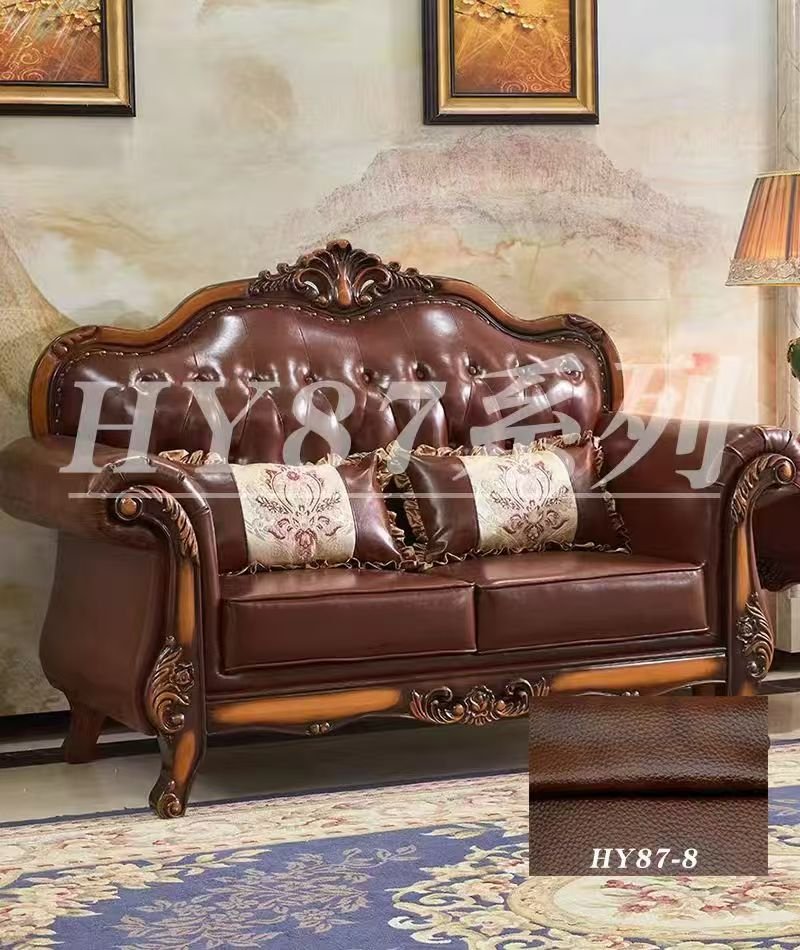
Genuine Leather: Where It Still Wins
1) Luxury Signal & Sensory Experience
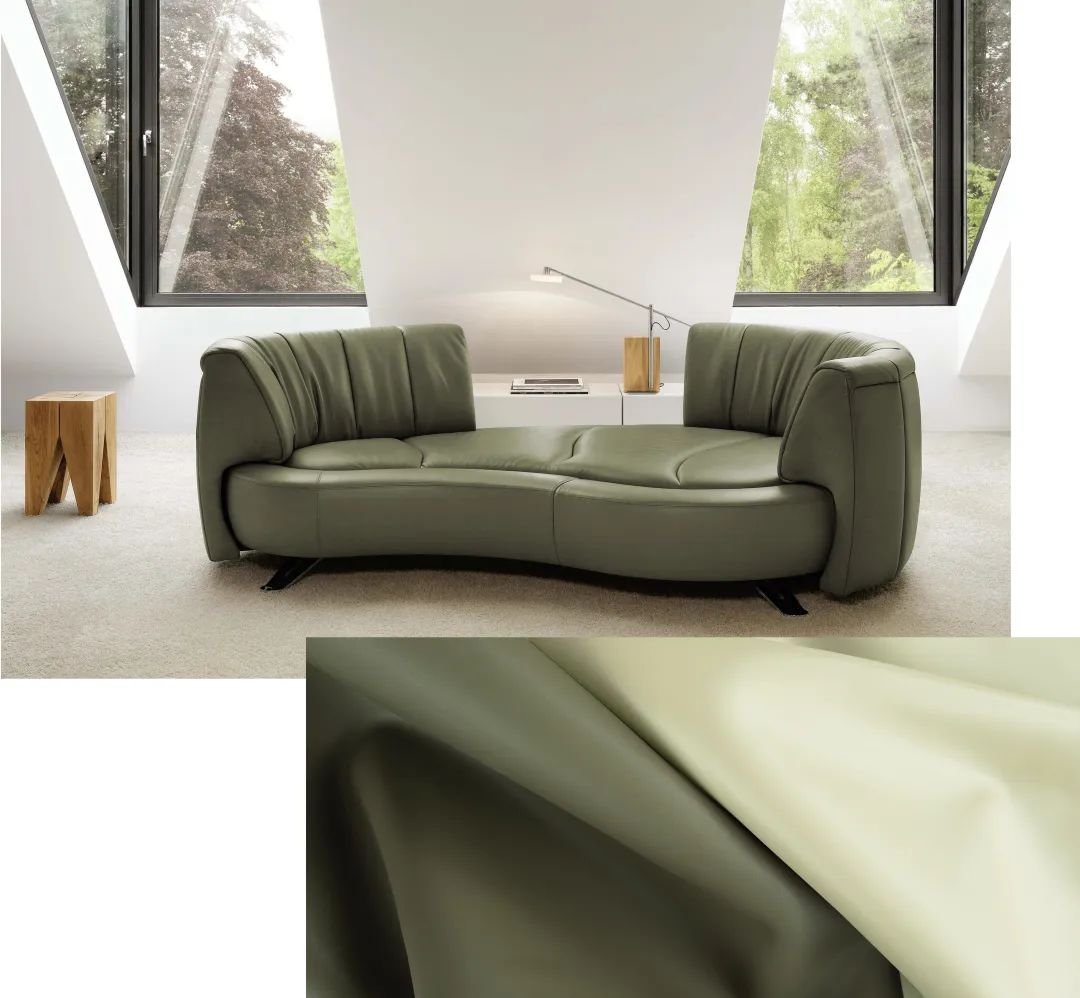
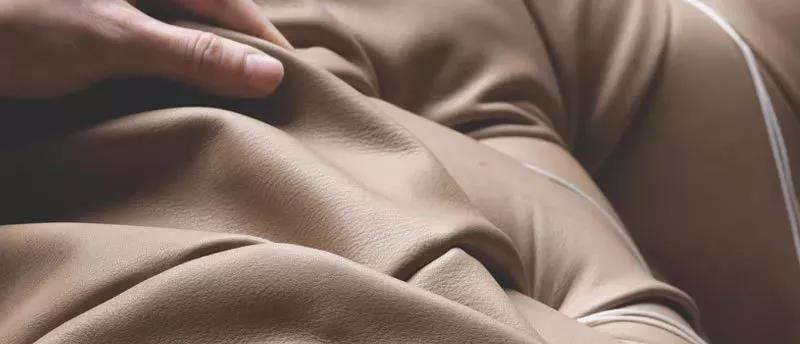
Real leather delivers tactile warmth, natural aroma, and visual depth that synthetic materials cannot fully replicate. In premium executive or luxury residential settings, this sensory perception remains a strong differentiator.
2) Natural Patina & Aging Character
High-quality leather develops patina over time. For brands emphasizing heritage or craftsmanship narratives, this aging process becomes part of the design story.
3) Strategic Use for Signature Pieces
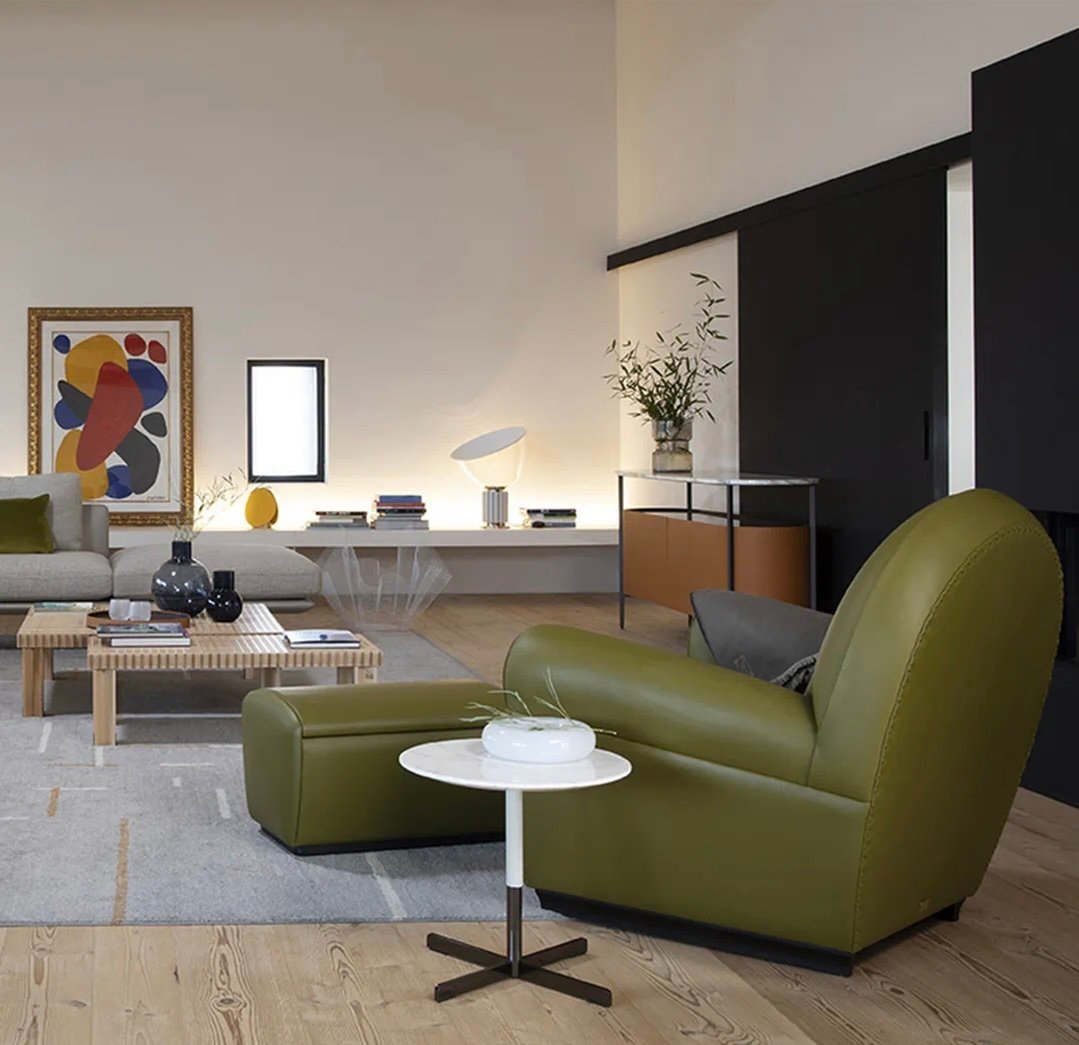
Genuine leather performs best in low-contact areas such as lounge chairs, headboards, or decorative panels — not in high-abrasion dining or lobby seating.
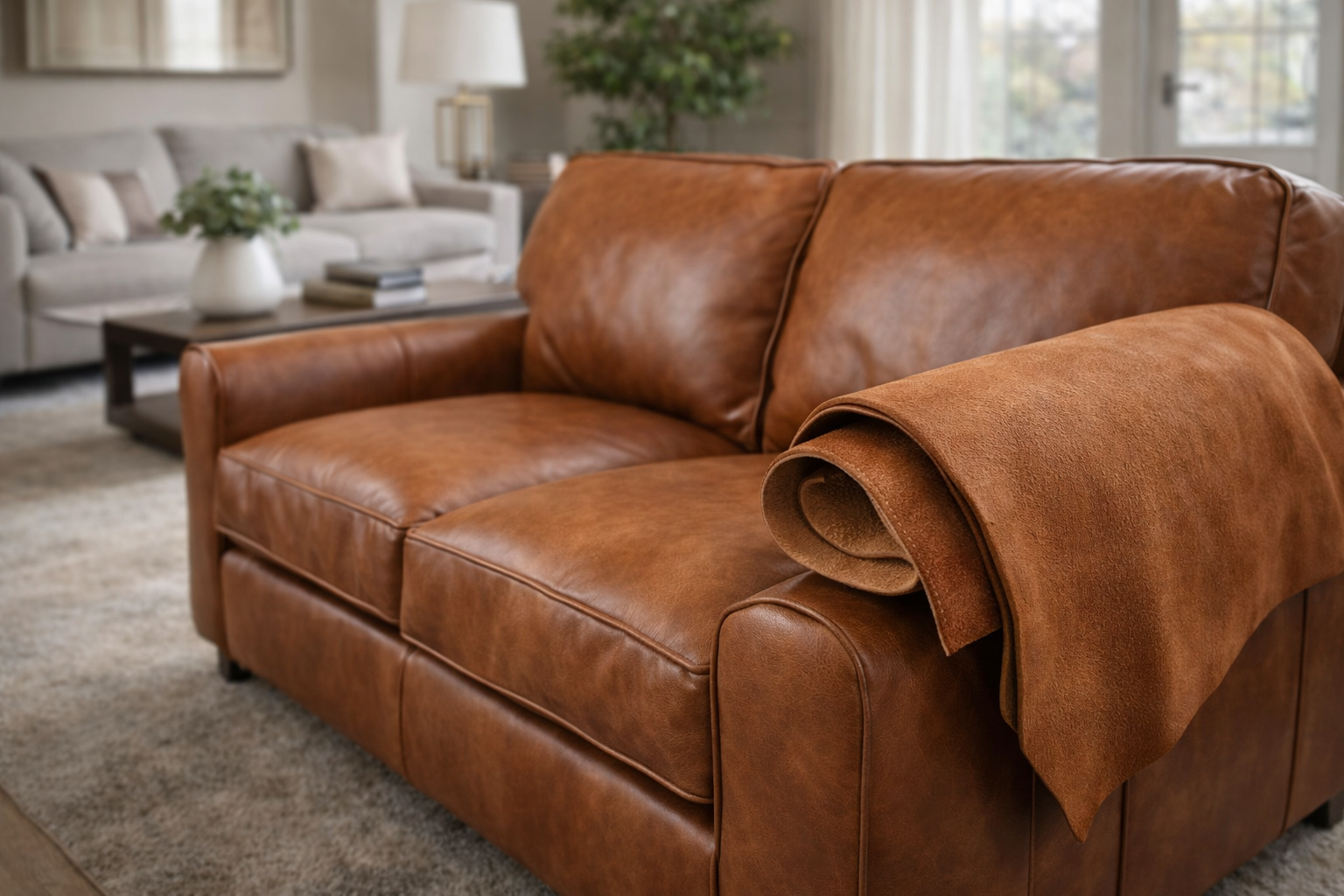
The Hidden Cost Factor: Cleaning Chemistry
Most upholstery failures do not originate from usage, but from maintenance chemicals.
Disinfectants, alcohol wipes, and alkaline cleaners can rapidly degrade incompatible coatings. This is why many projects require resistance testing — including surfaces resistant to medical alcohol wipes — before material approval.
Customization for Project Requirements
Professional buyers specify faux leather by performance system rather than appearance alone.
Sustainability & Health
- Solvent-free processes (see also Solvent-Free PU)
- Formaldehyde-Free, Non-toxic
- No VOC, Odorless targets
- No DMF
- REACH & RoHS compliant
Durability Performance
- High abrasion resistance
- Water resistant & sweat proof
- Hydrolysis resistance up to 10 years
- Anti-stain and anti-yellowing stability
Environmental Resistance
- UV resistance
- Weather resistance
- Cold resistance
- High-temperature tolerance
Fire Safety Compliance
- CA117
- UK BS5852 (0&1)
- Crib 5
- Fire retardant leather
Hygiene & Humidity Protection
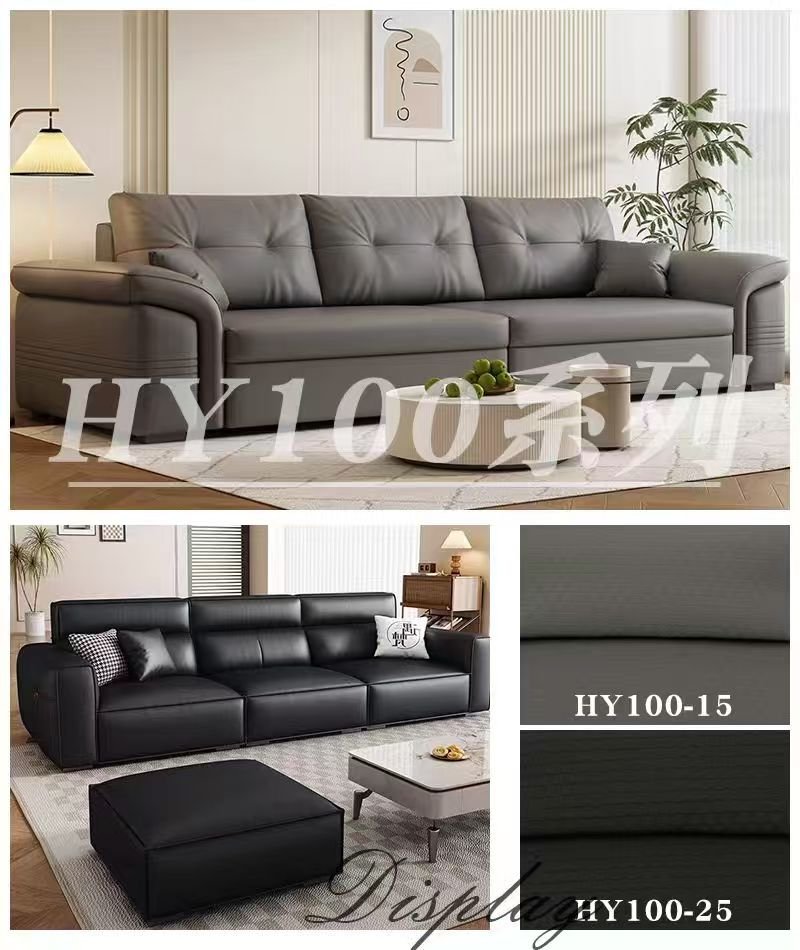
Buyer Recommendation: Hybrid Material Strategy
- High-traffic zones: engineered faux leather with abrasion + easy-clean focus
- Premium low-contact zones: genuine leather ormicrofiber leather
- Wall panels & interiors: coated fabrics and vinyl systems such as water base PU
This hybrid allocation maximizes durability, ROI, and long-term maintenance safety.
FAQ
1. Is faux leather better than genuine leather for furniture?
Faux leather is often a better choice for high-traffic furniture applications such as restaurant seating, hotel lobby sofas, and commercial waiting areas. Engineered faux leather offers consistent color, stable grain texture, easier maintenance, and predictable performance across large production batches.
Genuine leather remains ideal for low-contact premium areas where natural texture, aroma, and patina are important. In most commercial furniture projects, faux leather delivers lower maintenance risk and stronger long-term cost control.
2. Which material is best for hotels and restaurants?
For hotels and restaurants, engineered faux leather is generally the preferred upholstery material. These environments require frequent cleaning, high abrasion resistance, and consistent appearance under heavy daily use.
Contract-grade faux leather can be specified with abrasion testing, stain resistance, and chemical wipe compatibility. Genuine leather may still be used selectively in VIP lounges or suites, but it is usually avoided in dining chairs and high-turnover seating areas.
3. Does faux leather peel over time?
Faux leather does not peel simply due to age. Most peeling issues result from weak surface coatings, poor lamination between layers, aggressive cleaning chemicals, or excessive flex stress at seams and edges.
High-quality faux leather manufactured with stable coating systems and reinforced backing fabrics can maintain surface integrity for many years. Matching the upholstery material to the actual cleaning routine is one of the most critical factors in preventing premature peeling.
4. What’s the difference between PU and PVC leather?
PU leather is generally softer, more breathable, and more flexible, making it suitable for seating comfort and residential furniture. PVC leather tends to offer higher water resistance, stronger chemical tolerance, and better durability in demanding environments.
The correct choice depends on usage intensity, cleaning methods, comfort requirements, and project budget. In commercial furniture, PU and PVC systems are often selected based on performance testing rather than appearance alone.
5. What is solvent-free PU and why does it matter?
Solvent-free PU refers to polyurethane manufacturing processes that significantly reduce or eliminate solvent-based chemicals. This approach improves indoor air quality, reduces odor, and supports environmental compliance requirements such as low VOC and no DMF standards.
While solvent-free PU improves sustainability positioning, overall durability still depends on coating formulation, thickness, and backing structure. It is commonly specified for hospitality, residential, and indoor furniture projects where comfort and environmental performance are both important.
6. When is fire-retardant upholstery required?
Fire-retardant upholstery is required in many commercial and public-space projects, including hotels, restaurants, offices, healthcare facilities, and transportation interiors. Requirements vary by region and may include standards such as CA117, UK BS5852 (0&1), or Crib 5.
Fire compliance must always be confirmed before material selection, as passing one standard does not automatically meet all regulations. Early confirmation helps avoid redesign, retesting costs, and project delays.
7. Can faux leather be used in humid climates?
Yes, faux leather can perform well in humid climates when proper specifications are applied. Key factors include hydrolysis resistance, stable polyurethane formulation, and anti-mold treatment.
Humidity-related failures often occur during long-term storage or poorly ventilated environments rather than daily use. For tropical regions or overseas shipping, materials tested for hydrolysis resistance up to 7–10 years and anti-mold performance are strongly recommended.
8. What’s the easiest upholstery material to clean?
Engineered easy-clean faux leather is among the easiest upholstery materials to maintain. These surfaces are designed to resist stains, body oils, moisture, and frequent wipe-down cleaning.
For commercial projects using disinfectants or alcohol-based cleaners, chemical resistance testing is essential. Properly specified easy-clean systems significantly reduce maintenance costs while preserving appearance in high-traffic furniture applications.
9. Is vegan leather the same as faux leather?
Vegan leather is a marketing term that generally refers to non-animal leather alternatives. Most vegan leather used in furniture and upholstery is PU-based or coated textile material, which technically falls under the broader category of faux leather.
However, performance varies widely depending on coating structure, backing fabric, thickness, and testing standards. Buyers should evaluate vegan leather using the same technical criteria applied to any upholstery material.
10. Should one material be used across the entire furniture project?
In most professional furniture projects, using a single material across all areas is not recommended. A hybrid material strategy typically provides better performance and cost efficiency.
High-traffic zones benefit from durable faux leather with strong abrasion and cleaning resistance, while low-contact premium areas may use genuine leather or high-end microfiber surfaces. This zoning approach reduces maintenance risk while maintaining design consistency and budget control.