How to Choose Faux Leather for Furniture Upholstery: Vinyl (PVC) vs PU Leatherette vs Pleather
Faux leather has become a core material for modern furniture upholstery—not because it is “cheap leather,” but because it offers predictable performance, design flexibility, and project-ready compliance options that many furniture makers and interior contractors need.
However, “faux leather” is a broad term. In real sourcing and specification work, buyers are usually deciding between:
-
Vinyl / PVC leather (often called vinyls)
-
PU leather (often described as leatherette / pleather in the market)
-
Hybrid or upgraded systems such as Semi-PU, PU & PVC layered systems, Water-based PU, Solvent-Free PU / EPU, Silicone leather, or Microfiber leather
This guide explains how to choose the right faux leather for furniture based on the real decision variables: use environment, durability, cleanability, compliance, and life-cycle cost.
What “Faux Leather” Means in Furniture Upholstery (Clear Definitions)
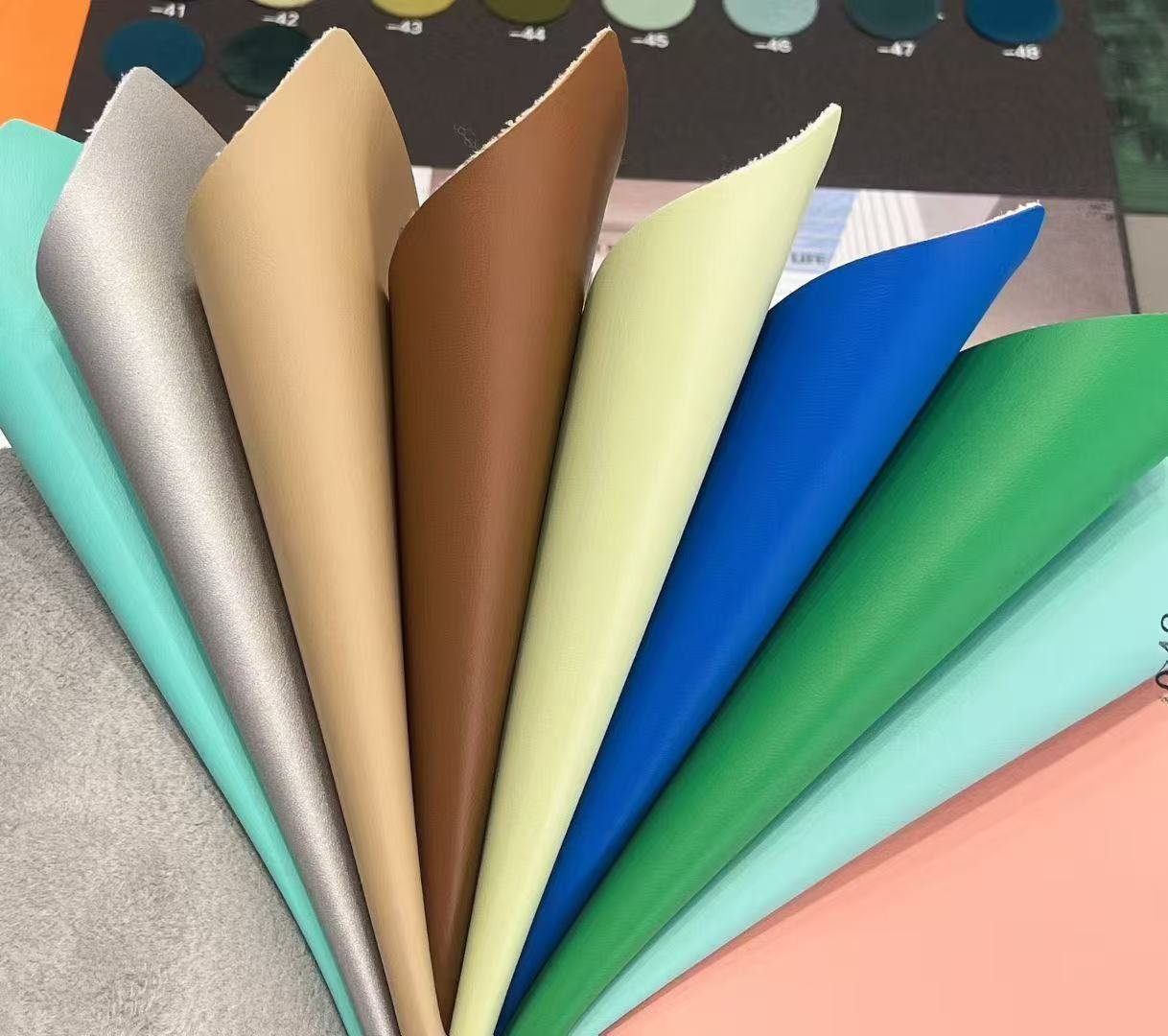
In furniture projects, faux leather may refer to several different coated material systems:
Vinyl / PVC Leather (Vinyls)
A PVC-based coated fabric known for strong water resistance, robust cleanability, and stable performance in high-traffic commercial seating.
PU Leather (Leatherette / Pleather)
A polyurethane-coated fabric typically chosen for a softer hand-feel and more “leather-like” appearance. PU can be engineered into different systems including Semi-PU, Water base PU, and Solvent-Free PU / EPU depending on emission and performance targets.
Silicone Leather
A higher-performance coated system often considered when projects emphasize non-toxic positioning, odor control, and stable performance under harsh cleaning or temperature environments (spec-dependent).
Microfiber Leather (Synthetic Suede / Premium Synthetic Leather)
A premium synthetic system used when buyers want a more natural touch or specific aesthetics. For heavy disinfecting or high-traffic seating, it must still be validated for cleanability and abrasion resistance.

Step 1 — Decide by Use Scenario (Residential vs Commercial vs Contract)
Before comparing PU vs PVC, the correct first question is: where will the furniture be used and how will it be maintained?
Best Use Cases for Furniture Faux Leather
-
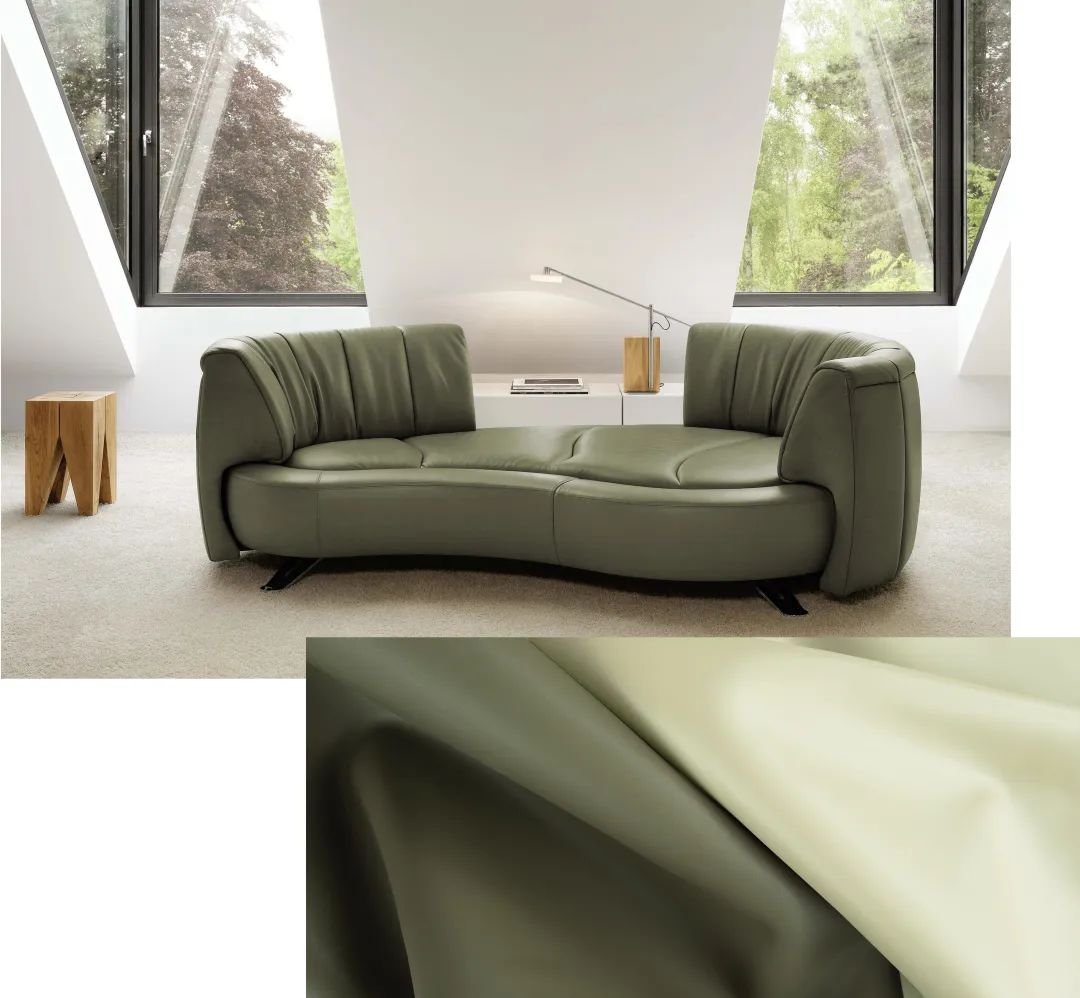
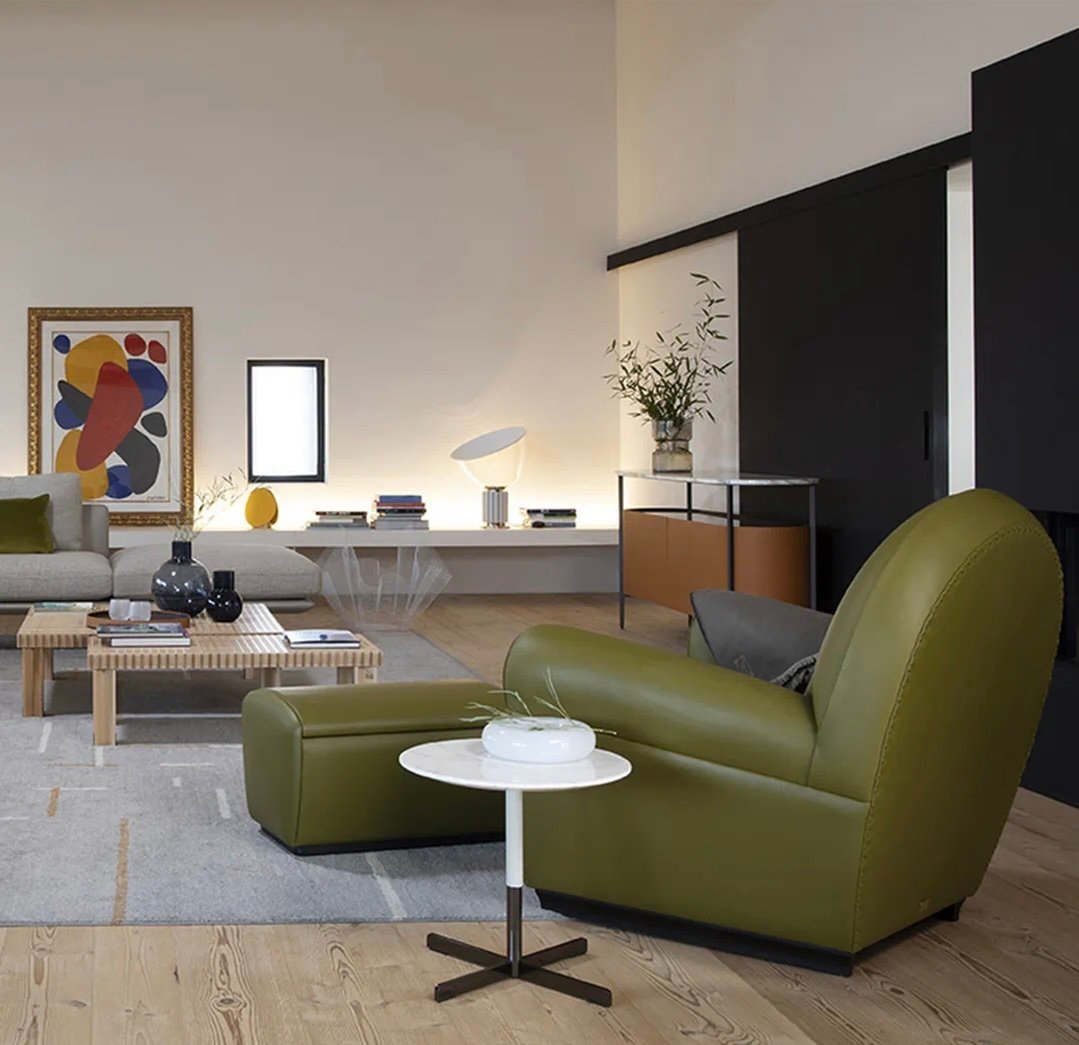
Sofas & couches (home + lobby seating)
-
Dining chairs (restaurants + family dining)
-
Office seating (daily use + professional look)
-
Bar stools & public seating (high abrasion zones)
-
Headboards & decorative panels
-
Ottomans / bench seating (multi-use furniture)
-
Kids’ furniture (easy-clean priority)
-
Wall panels / upholstery wall features (design + texture)
In commercial spaces, faux leather is chosen less for “look” and more for maintenance efficiency and surface stability over time.
Step 2 — Choose by Performance Priorities (The 6 Variables That Matter)
A professional upholstery decision usually comes down to these six variables:
1) Cleanability & Stain Resistance
If the project requires daily wiping, food/drink exposure, or heavy traffic, prioritize:
-
Anti-stain topcoats
-
High resistance to cleaning chemicals
-
Water resistant & sweat proof performance where applicable
PVC vinyl tends to perform strongly in repeated wipe scenarios. PU systems can also perform well if specified correctly (especially contract-grade PU).
2) Durability & Abrasion Resistance
For restaurants, waiting areas, and hospitality seating, abrasion becomes the “hidden” failure point.
Look for:
-
High abrasion resistance (important for high-traffic seating)
-
Tear strength and seam durability
-
Stable surface without peeling or cracking
This is where PVC and high-performance coated fabrics usually win unless PU is engineered specifically for contract durability.
3) Comfort & Hand-Feel
If the furniture is “touch-first” (lounges, residential, premium interiors), PU systems are often preferred for:
-
Softer touch
-
Better drape
-
More leather-like surface appearance
4) Environmental & Emission Requirements
Many buyers now require materials aligned with:
-
No VOC / low odor
-
No DMF (especially for EU or strict compliance projects)
-
Formaldehyde-Free
-
Solvent-Free PU or Water base PU options where required
This is an important area where Solvent-Free PU / EPU becomes a selection pathway rather than a marketing term.
5) Long-Term Stability (Hydrolysis, Yellowing, Heat/Cold)
For long-life projects, ask about:
-
Hydrolysis resistance (up to 10 years) when required
-
Anti-yellow performance
-
Cold resistance / high-temperature tolerance (project dependent)
-
UV resistance / weather resistance if near windows or semi-outdoor conditions
6) Compliance (Fire + Chemical)
For contract and export projects, compliance can decide the material choice.
Common requirements include:
Compliance usually depends on the full upholstery system (cover + foam + barrier), so material selection should match the project spec format.
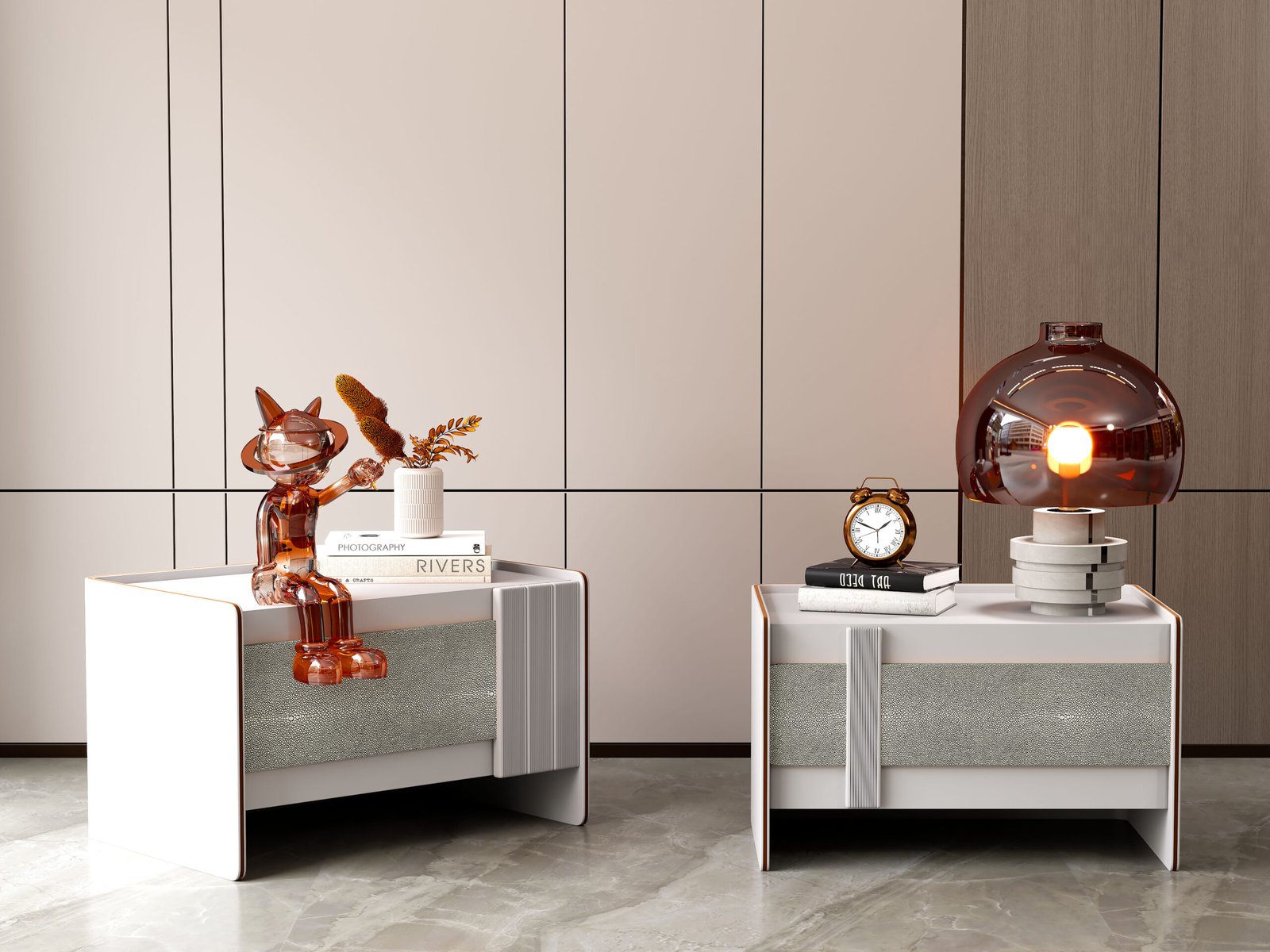
Vinyl (PVC) vs PU Leatherette vs Pleather — Practical Comparison (No Hype)
When Vinyl / PVC Leather Is Usually the Best Choice
Choose vinyl/PVC when your project prioritizes:
-
high traffic durability
-
strong water resistance
-
wipe-clean performance and maintenance efficiency
-
consistent performance in commercial seating
Typical scenarios: restaurant seating, waiting areas, bar stools, public seating, contract furniture.
When PU Leather (Leatherette / Pleather) Is Usually the Better Choice
Choose PU when your project prioritizes:
-
softer hand-feel and comfort
-
more premium “leather-like” appearance
-
lower odor requirements or upgraded eco systems (water-based / solvent-free PU)
Typical scenarios: residential sofas, lounge seating, premium interiors, headboards, design-driven furniture.
When to Consider Advanced Systems (Project-Driven)
Depending on project specs, consider:
-
Semi-PU for balanced price/performance
-
PU & PVC layered systems for durability + aesthetics
-
Solvent-Free PU / EPU for low emission requirements
-
Silicone leather for non-toxic/odor stability positioning
-
Microfiber leather for premium touch + appearance (verify cleanability/durability)
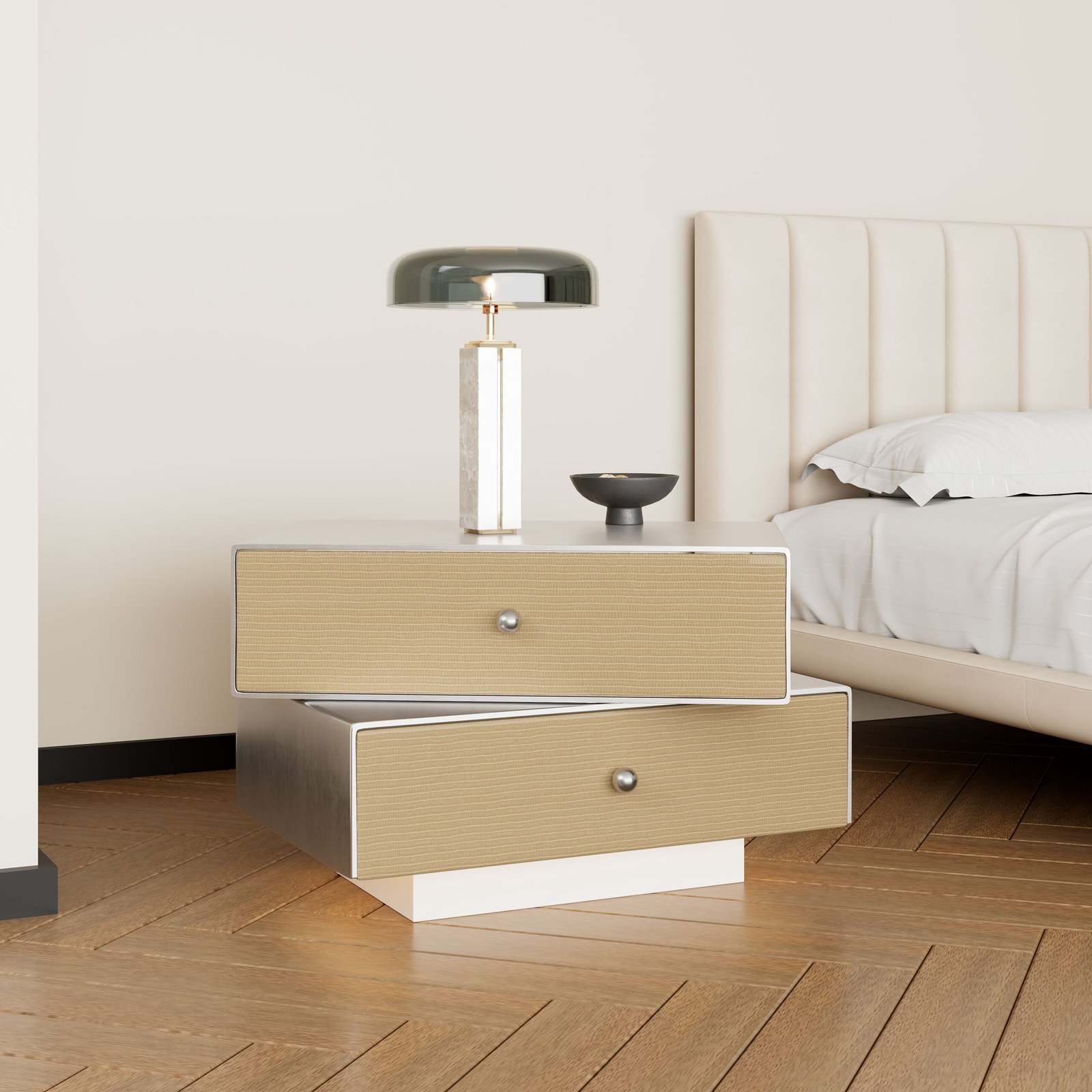
Material Options We Can Support (Use as “Selection Pathways” — Not a Catalog)
For furniture upholstery projects, materials can be built around:
-
PU leather / Semi-PU / Water base PU / Solvent-Free PU / EPU leather
-
PVC leather / Vinyl fabric / Vinyl wallcoverings
-
Silicone leather / Microfiber leather
-
Coated fabrics / Upholstery fabric / Interior fabrics
-
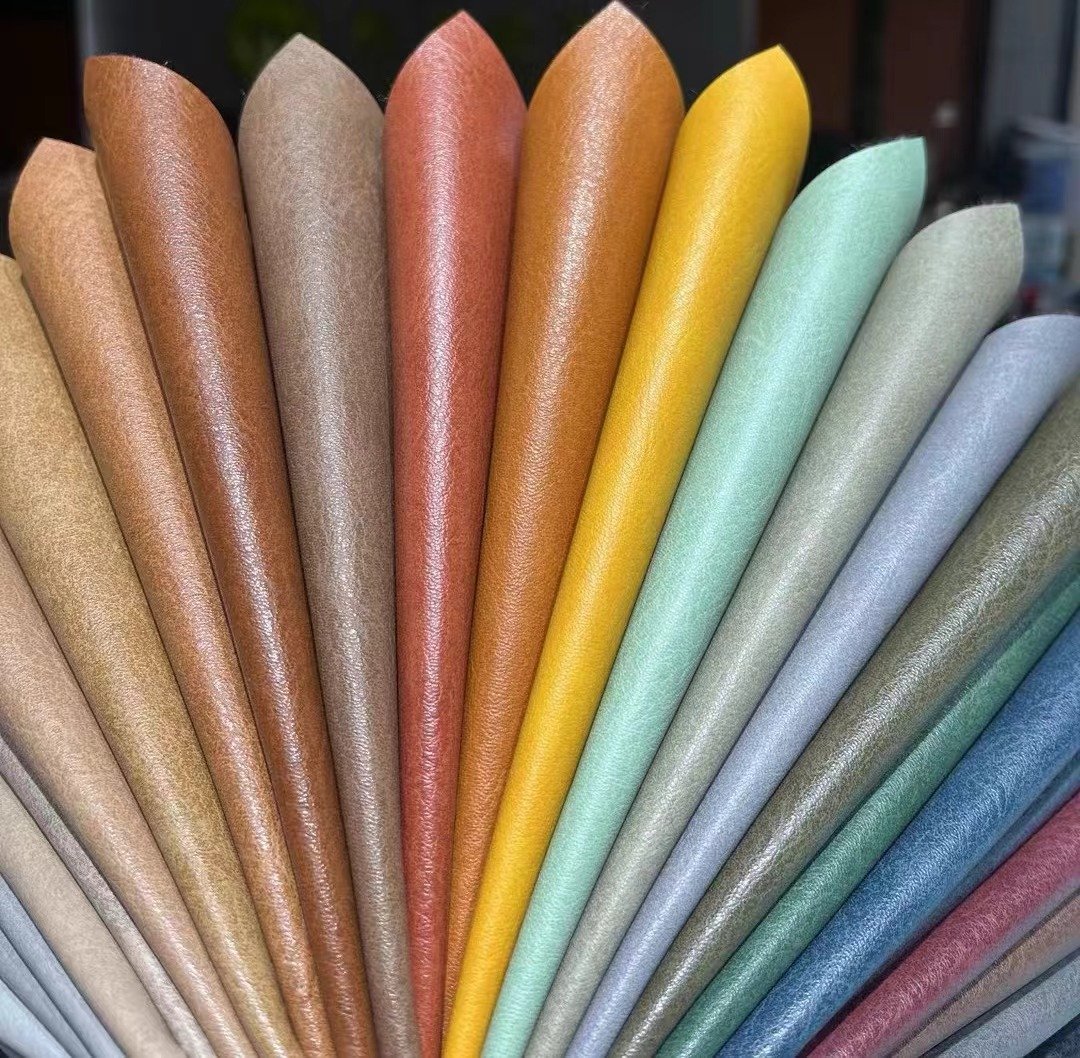
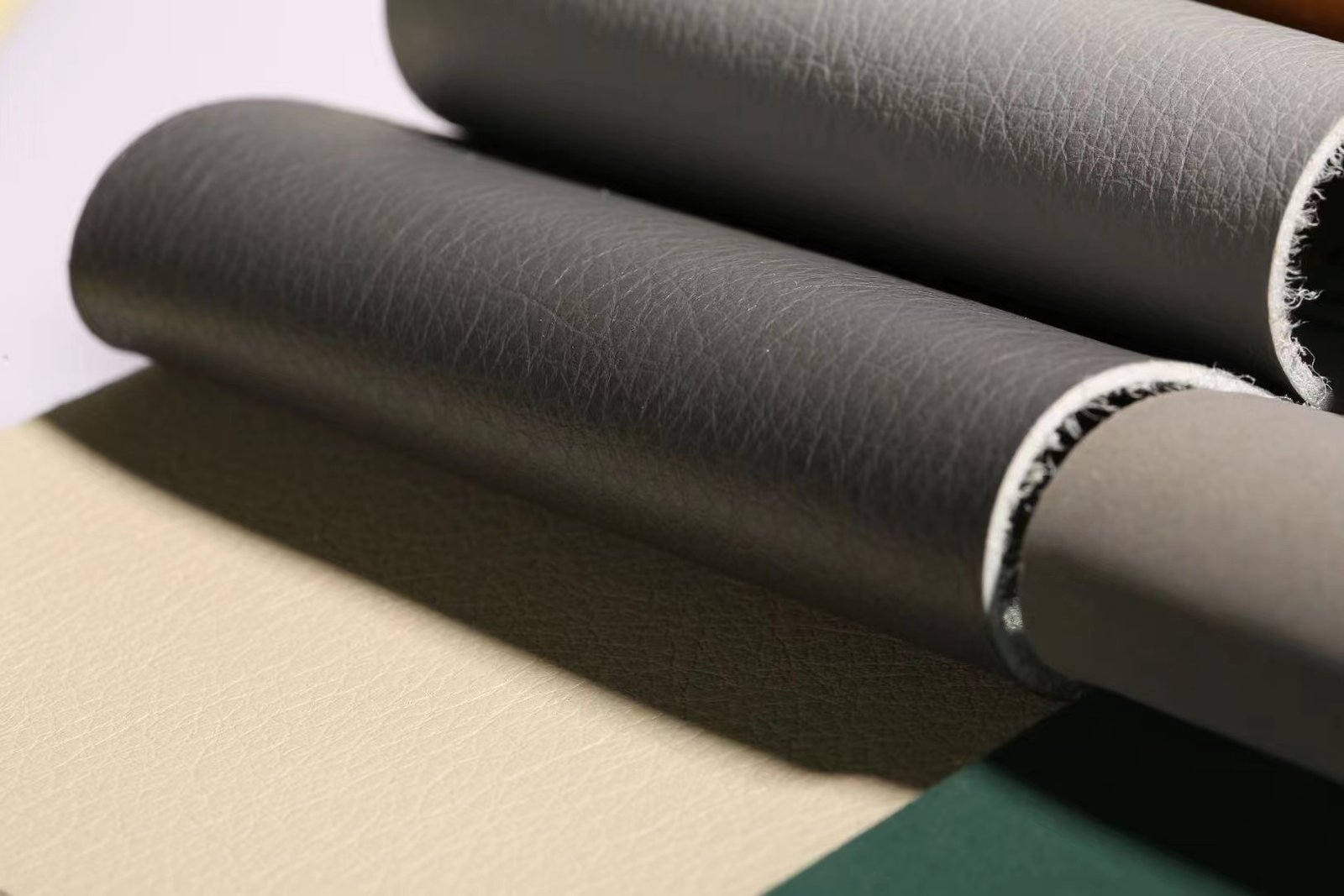
Vegan leather / leather-like PU / leatherette / pleather / imitation leather
Common customization targets include:
Anti-stain, odorless, no VOC, no DMF, formaldehyde-free, high abrasion resistance, hydrolysis resistance, UV/weather resistance, anti-yellow, fire compliance (CA117 / BS5852 / Crib 5), REACH & RoHS compliance — based on project requirements.
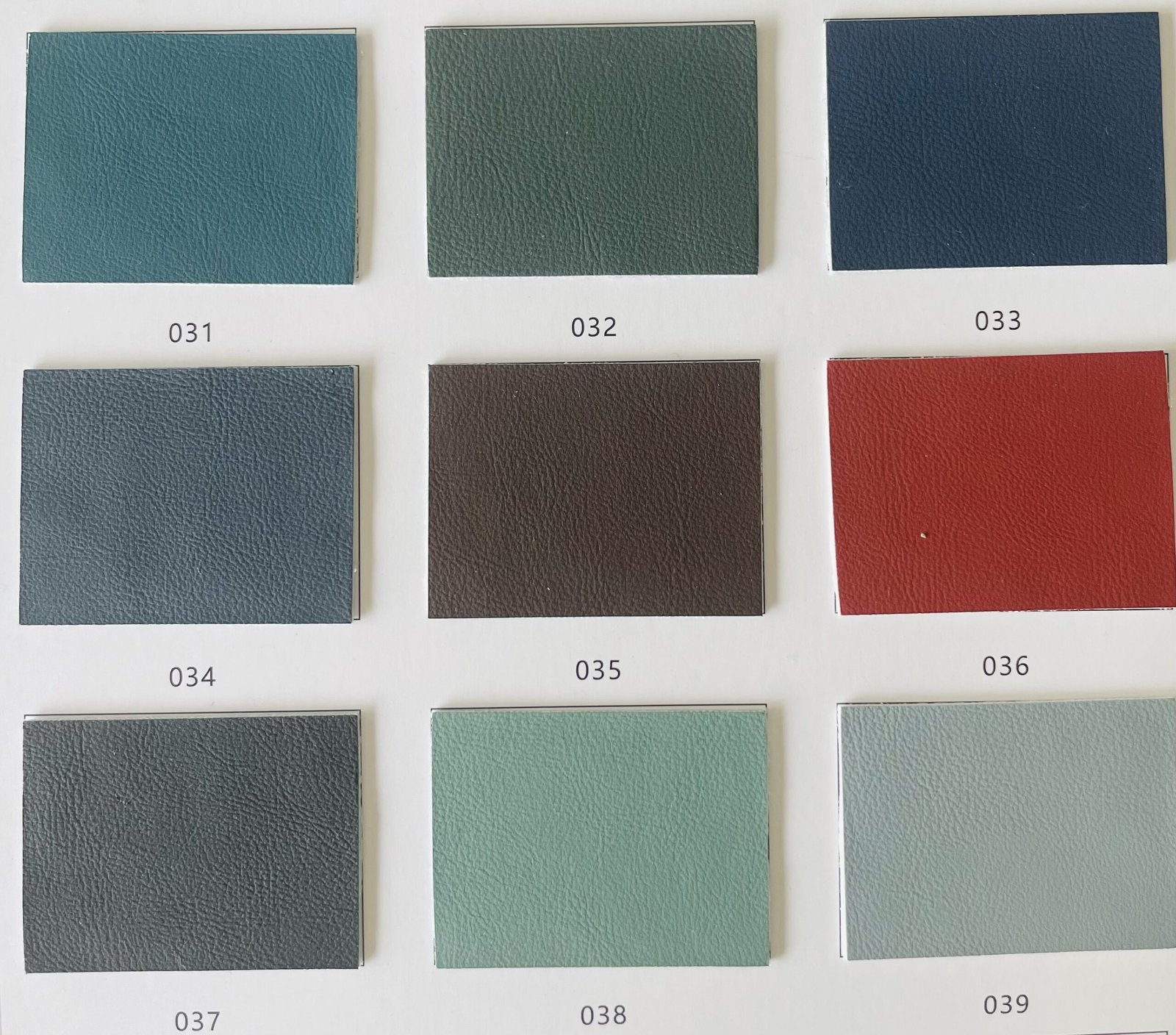
FAQ (Instead of Conclusion) — Choosing Faux Leather for Furniture Upholstery
1) What is the difference between vinyl (PVC) and PU leatherette for furniture?
Vinyl/PVC is usually selected for durability, water resistance, and easy cleaning in high-traffic seating. PU leatherette (often called pleather) is typically selected for softer touch, better aesthetics, and a more leather-like feel. The best choice depends on the project’s cleaning protocol, traffic level, and compliance requirements.
2) Which faux leather is best for restaurant chairs and bar stools?
Most restaurant seating prioritizes abrasion resistance and wipe-clean performance. Vinyl/PVC or high-abrasion coated fabrics are commonly used because they handle frequent cleaning and daily wear better. If PU is used, it should be specified as contract-grade with proven abrasion and cleaning stability.
3) Is PU leather better than PVC leather for sofas?
For comfort and premium appearance, PU often feels better and looks closer to genuine leather. For families, pets, or heavy use where cleaning is frequent, PVC may deliver better maintenance efficiency. A common approach is choosing PU for comfort areas and PVC for high-risk zones.
4) What should I check first when buying faux leather for furniture?
Start with the project’s real conditions:
-
Where will it be used (home vs commercial)?
-
How often will it be cleaned and with what chemicals?
-
What is the expected service life?
-
Are there fire or chemical compliance requirements?
These questions narrow down the correct material system faster than color/texture selection.
5) What does “solvent-free PU” or “water-based PU” mean for furniture projects?
These terms often matter when the project requires lower emissions, odor control, or restricted chemical limits. Solvent-free or water-based PU systems can be considered when buyers request no VOC, no DMF, odorless, or other eco-aligned requirements. The key is verifying performance stability and project suitability, not just the label.
6) How do I ensure faux leather won’t peel or crack over time?
Peeling and cracking usually come from mismatch between material system and usage conditions. For better long-term stability, check:
-
abrasion performance
-
hydrolysis resistance (if needed)
-
cleaning chemical resistance
-
temperature/UV exposure risks
-
correct backing and upholstery construction
A material can look good in samples but fail in real use if the system is wrong.
7) Do faux leather furniture materials need fire resistance?
Sometimes yes—especially for contract or export projects. Requirements are country and project dependent. For example, US projects may specify CA117, while UK contract seating may reference BS5852 (0&1) or Crib 5. Fire compliance typically depends on the full upholstery system (cover + foam + barrier).
8) What is “bonded leather,” and is it the same as faux leather?
Bonded leather is made from leather scraps combined with binders and coated, so it is not the same as PU/PVC synthetic leather. In upholstery sourcing, bonded leather is often chosen for price but may behave differently in durability and aging. Always confirm the material system before spec approval.
9) Can faux leather be customized for anti-stain or high abrasion requirements?
Yes. Many contract projects require specific performance combinations such as anti-stain, high abrasion resistance, water resistant & sweat proof, anti-yellow, or odorless. The best practice is to match these targets to test evidence or supplier performance documentation.
10) How do I choose the right thickness for faux leather upholstery?
Thickness affects drape, seam performance, and wear behavior. Softer furniture may need better drape; high-traffic seating may need stronger structure. The “right thickness” depends on:
-
furniture type (sofa vs dining chair vs bar stool)
-
foam density and upholstery construction
-
abrasion and cleaning requirements
A reliable supplier should recommend thickness based on application conditions rather than a single default spec.