Commercial Faux Leather Upholstery Fabrics Manufacturer
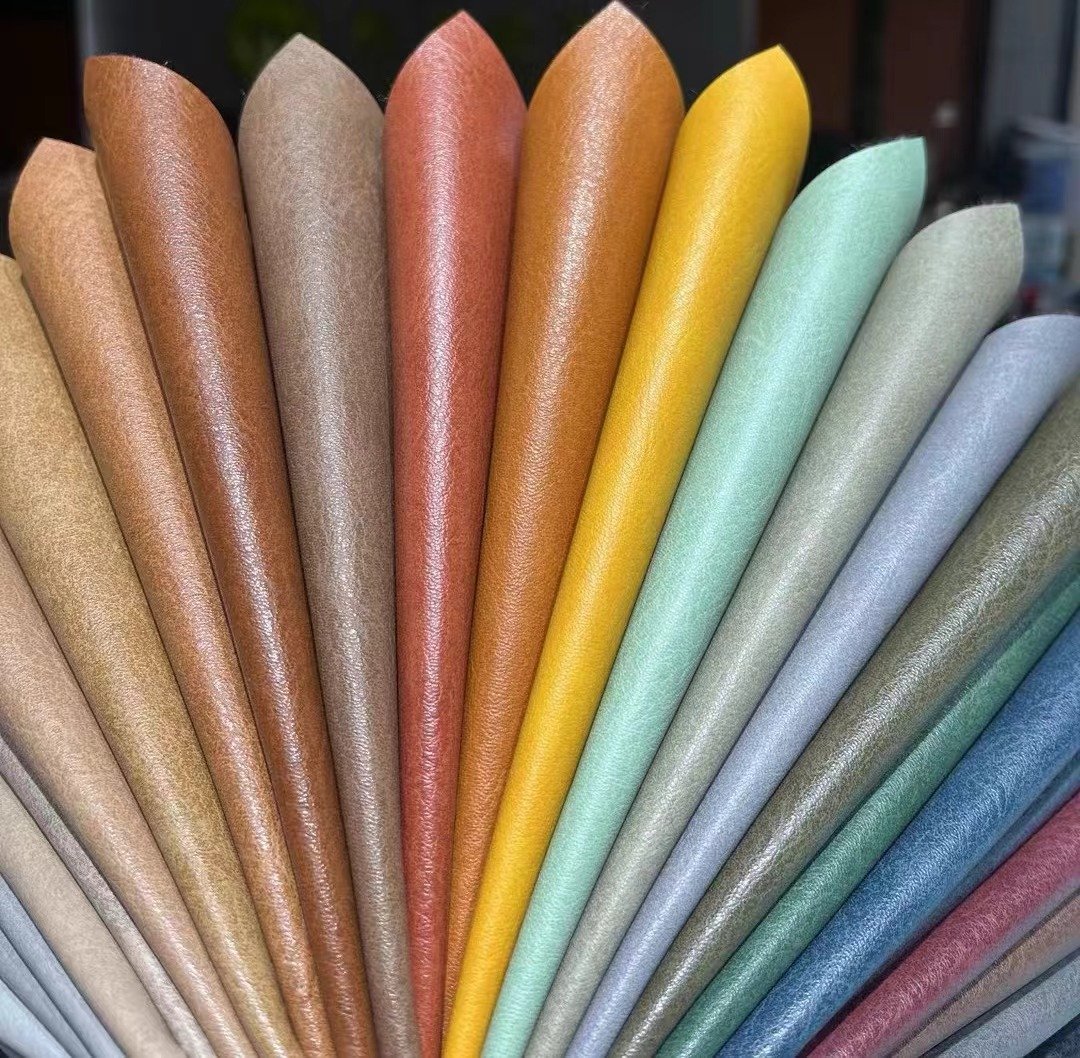
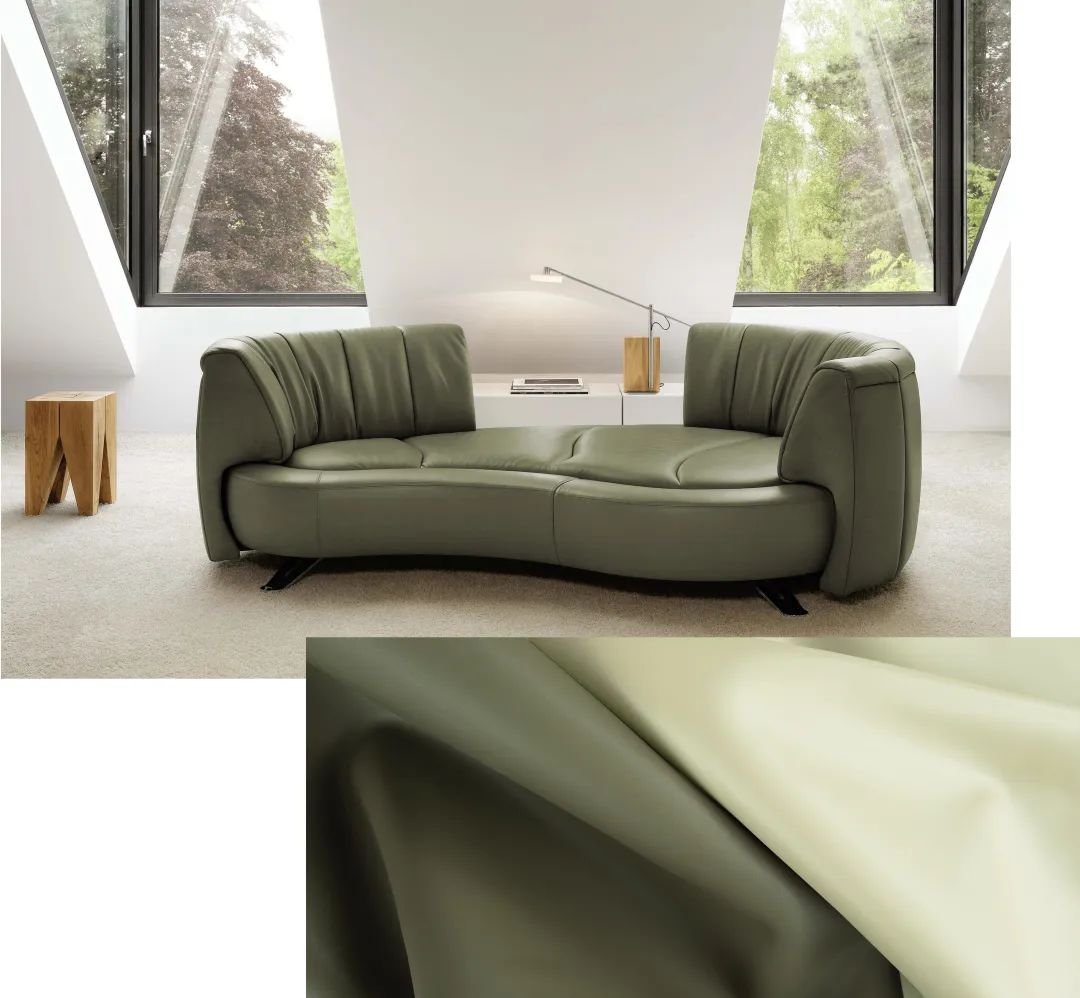
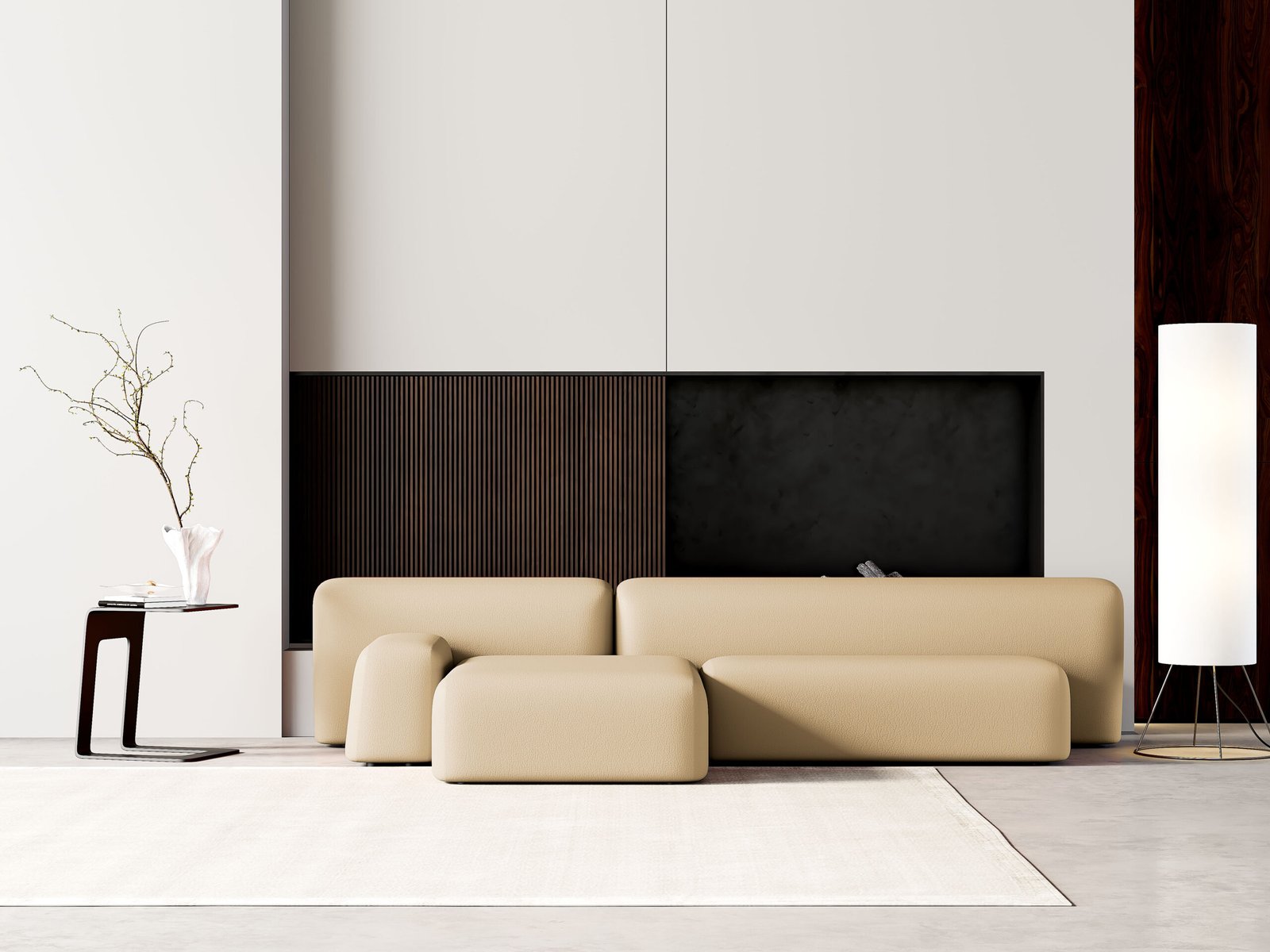
Revamp your commercial spaces with durable faux synthetic leather upholstery fabrics engineered for high-traffic applications. Commercial faux leather combines longevity, easy maintenance, stable batch consistency, and compliance-ready performance, making it a reliable choice for B2B buyers across furniture manufacturing, interior contracting, and project procurement.
As a professional commercial faux leather upholstery fabrics manufacturer, we supply coated synthetic materials designed for seating, wall surfaces, and interior applications where performance matters as much as aesthetics.
What Are Commercial Faux Leather Upholstery Fabrics?
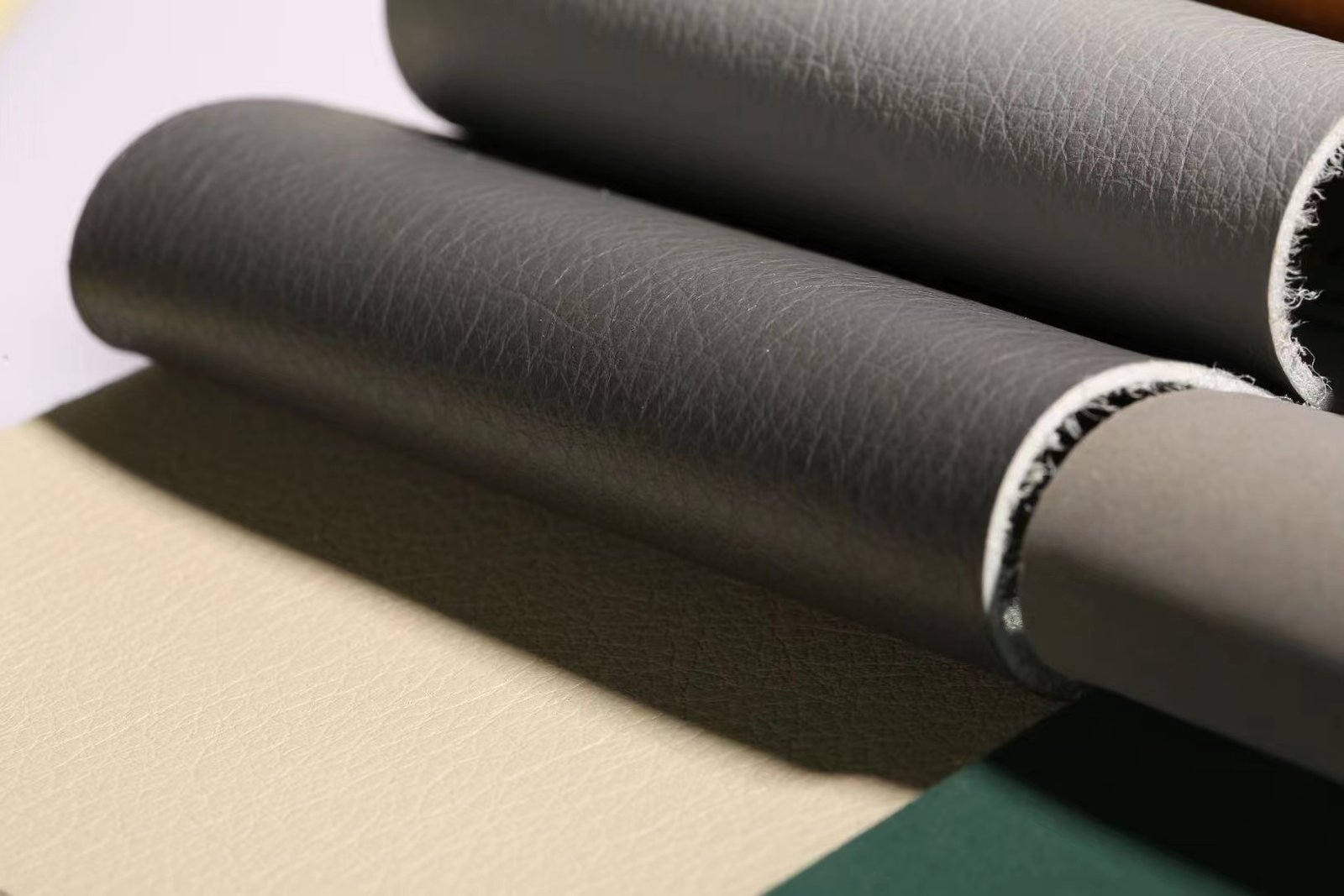
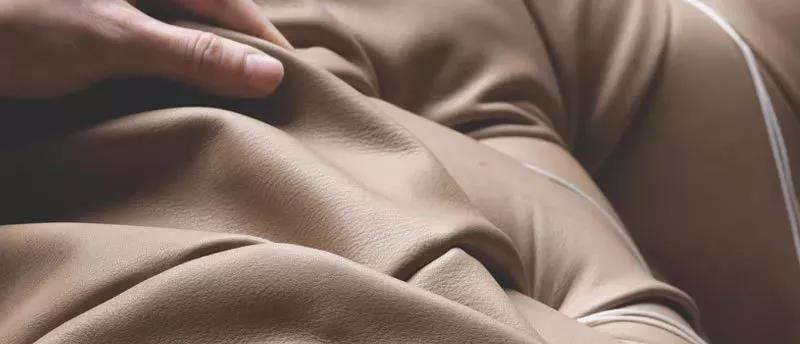
Commercial faux leather upholstery fabrics are engineered synthetic materials developed to replicate the look of leather while delivering controllable, testable performance for project environments.
Compared with residential upholstery, commercial-grade synthetic leather focuses on:
-
High abrasion resistance for long service life
-
Hydrolysis resistance for hot/humid climates
-
Chemical and stain resistance for frequent cleaning
-
Fire compliance options for public environments
-
Consistent color and texture across large-volume production
In B2B and contract furnishing, faux leather may be referred to as synthetic leather, artificial leather, vegan leather, leatherette, coated fabrics, coated textile, upholstery leather, furniture leather, interior fabrics, or leather-like PU depending on the market.
Our Product Range Includes
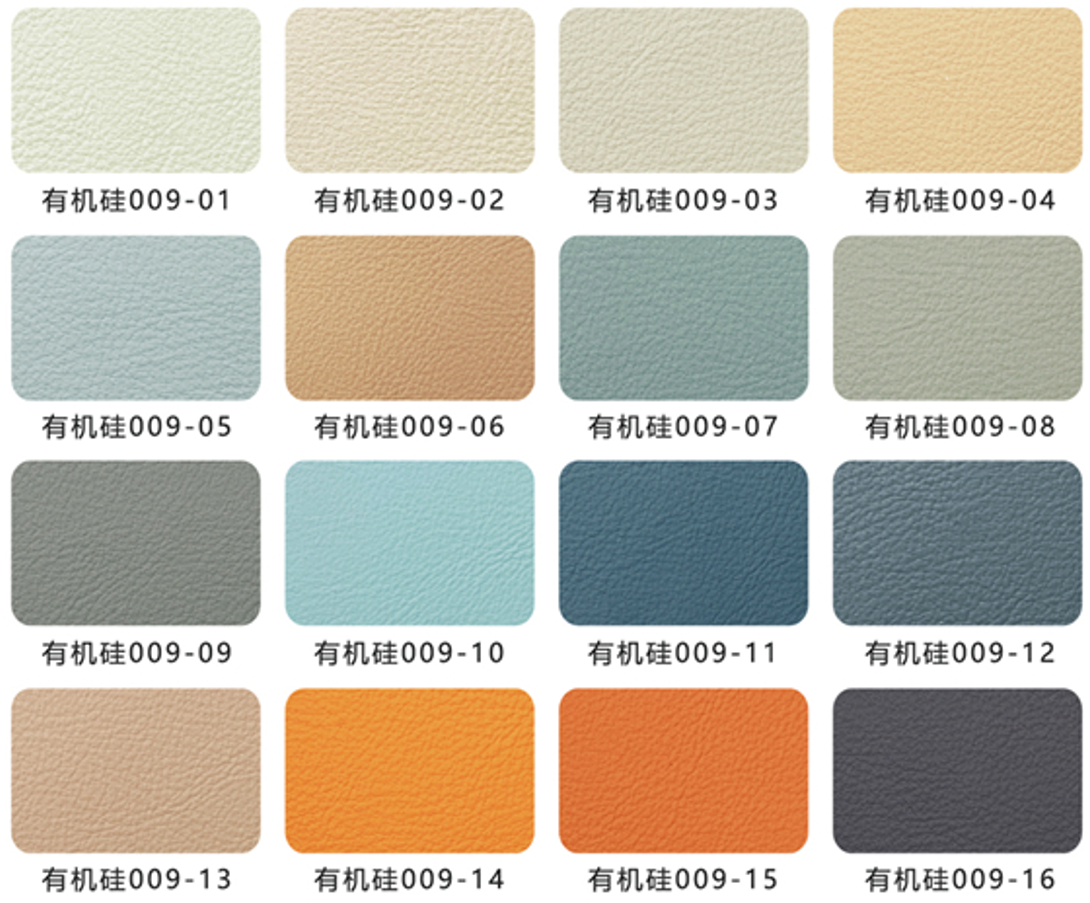
We offer a complete portfolio of commercial upholstery and interior coating materials:
-
Semi-PU leather
-
Water-based PU
-
Solvent-free PU
-
EPU leather
-
Silicone leather
-
PVC leather / Vinyl
-
PU & PVC leather
-
Vinyl wallcoverings / Vinyl fabric
-
Upholstery fabric / Coated fabrics / Coated textile
-
Synthetic leather / Artificial leather / Imitation leather
-
Eco-friendly leather / Vegan leather / Leatherette
-
Bonded leather
Materials are available in roll supply and project-based constructions depending on your technical requirements.
Project-Based Customization (Commercial Grade)
Commercial projects vary by climate, cleaning process, regulation, and traffic intensity. We provide customization based on project requests, such as:
Compliance & Eco Options
-
Solvent-free systems
-
Food-grade options (when required)
-
Non-toxic / Formaldehyde-free
-
No VOC / No DMF
-
Odorless systems
Durability Enhancements
-
UV resistance
-
Weather resistance
-
High abrasion resistance
-
Anti-yellowing
-
Cold resistance
-
High-temperature tolerance
Functional Surface Performance
-
Anti-stain coatings
-
Water resistant & sweat proof
-
Resistant to medical alcohol wipes
-
Easy-clean topcoat systems
Fire Resistance Standards
-
Crib 5
To avoid “sample looks fine, bulk fails later,” we recommend defining performance targets early (abrasion, hydrolysis, fire, cleaning chemicals) before final approval.
Commercial Applications
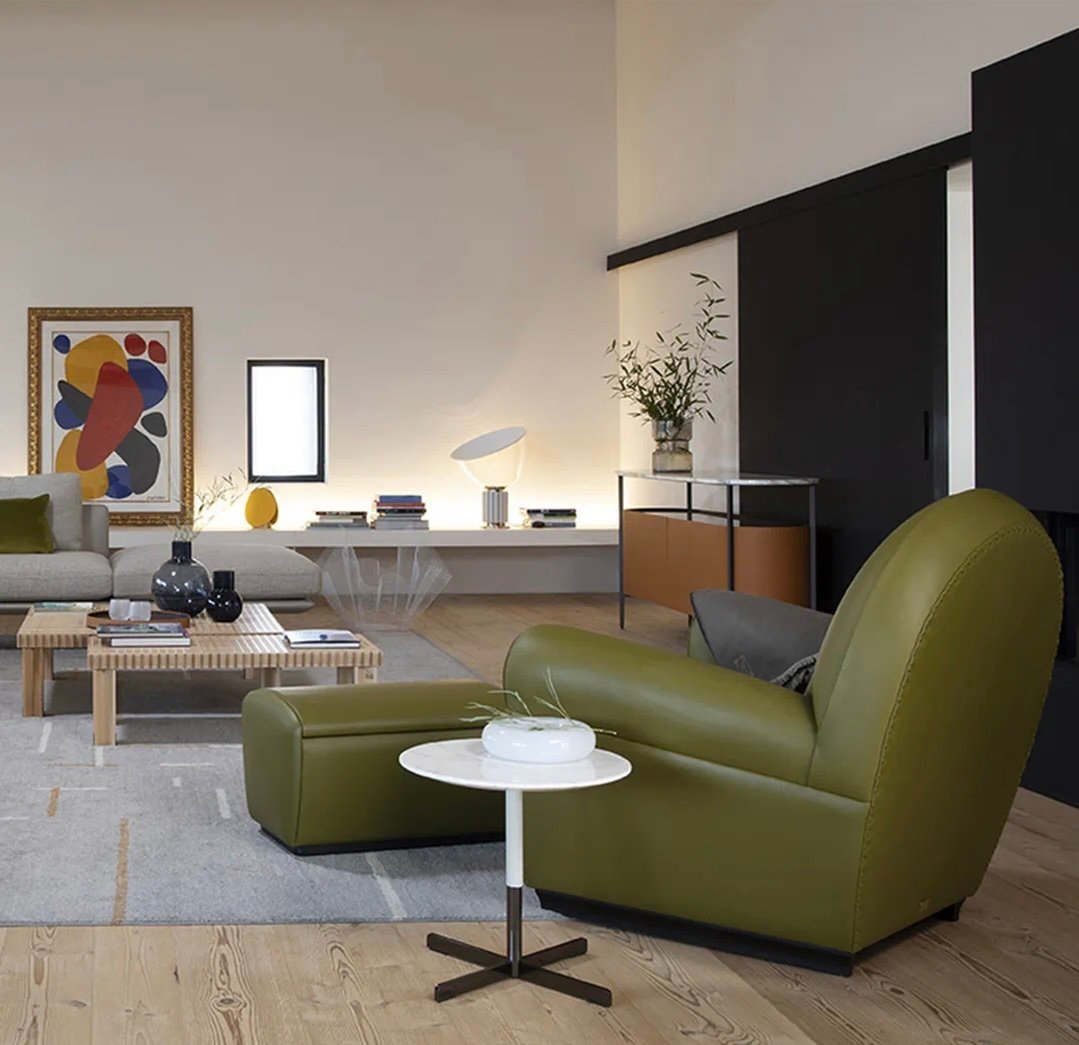
Commercial faux leather upholstery fabrics are used to create durable, aesthetically consistent products across multiple industries.
Office Furniture
Upgrade office seating with pleather upholstery on:
-
Task chairs
-
Executive chairs
-
Conference seating
-
Office sofas
Benefits include stable appearance, strong abrasion resistance, and consistent color across mass production.
Restaurant Seating
Ideal for:
-
Booths
-
Dining chairs
-
Bar stools
Restaurant environments demand frequent cleaning and heavy usage. Faux leatherette offers easy wipe-down maintenance and can be engineered for stain and chemical resistance.
Public Transport Seating
Used for buses, trains, metro systems, and airport seating where:
-
Cleaning speed matters
-
Durability is critical
-
Surface hygiene must be maintained
Polyurethane leather surfaces provide consistent performance under daily high-frequency use.
Wall Panels & Interior Surfaces
Faux leather wall panels and vinyl wallcoverings can add depth and comfort in:
-
Hotel lobbies
-
Commercial corridors
-
Meeting rooms
-
Retail interiors
They also support acoustic comfort and premium visual texture.
Commercial Flooring (Selective Constructions)
For design-forward commercial environments, coated materials can be engineered for:
-
High foot traffic zones
-
Exhibition and retail areas
-
Decorative flooring concepts
Final selection depends on structure, topcoat, and wear requirements.
Healthcare Furniture
Suitable for examination tables and waiting-area seating where:
-
Chemical wipes are frequent
-
Odor control is important
Medical-grade constructions can be formulated for alcohol-wipe resistance and compliance requirements.
Why Commercial Faux Leather Is a Smart B2B Choice
Compared with genuine leather and many textiles, commercial synthetic leather offers:
-
Stable supply and consistent quality
-
Controlled performance (abrasion, hydrolysis, cleaning resistance)
-
Uniform color/texture for large projects
-
Easier maintenance and lower lifecycle cost
-
Better risk control in contract delivery
For many contract furniture and interior projects, faux leather is chosen not only for appearance, but because it reduces uncertainty at scale.
Frequently Asked Questions (FAQ)
1) What is the difference between PU leather, PVC (vinyl) leather, and silicone leather for commercial upholstery?
The difference is mainly in structure, performance focus, and application suitability.
-
PU leather: softer hand feel, balanced durability, commonly used for commercial seating and upholstery.
-
PVC (vinyl) leather: more rigid, often strong on chemical resistance and cost, widely used in wallcoverings or budget-oriented projects.
-
Silicone leather: excellent stain resistance, weather resistance, and non-toxicity—often preferred for premium healthcare, hospitality, and demanding environments.
Selection guideline:
-
Seating upholstery → PU leather / water-based PU
-
Wallcoverings & panels → vinyl wallcoverings / PVC or PU-PVC
-
Healthcare / kids zones / outdoor → silicone leather
2) Is water-based PU durable enough for high-traffic commercial environments?
Yes—water-based PU can meet commercial-grade durability when engineered correctly.
It can provide:
-
Low odor and lower VOC risk
-
Strong abrasion performance
-
Stable surface under repeated cleaning
However, “water-based” alone is not a guarantee. Performance depends on the full coating system (topcoat, basecoat, adhesion, backing fabric).
Best practice: request abrasion, hydrolysis, and peeling strength test reports before final approval.
3) What is hydrolysis resistance, and why does it matter for faux leather?
Hydrolysis resistance is the ability to withstand heat and humidity without peeling, cracking, or surface breakdown over time.
Hydrolysis failures are common in:
-
Hotels and hospitality seating
-
Coastal regions
-
High-humidity climates
-
Long lifecycle projects
Recommended target:
-
Standard commercial use: 5 years
-
Hospitality / hot & humid regions: 7–10 years
If hydrolysis is not specified, materials can pass a short sample test but fail after extended real use.
4) Can faux leather meet fire resistance standards such as CA117, BS5852, or Crib 5?
Yes. Faux leather can be engineered to meet:
-
CA117
-
UK BS5852 (0&1)
-
Crib 5
Fire performance must be tested on the complete material structure, not just the surface. Always confirm that the fire report matches the final production construction (coating + backing).
5) Is faux leather suitable for hospitality and hotel furniture?
Yes—commercial faux leather is widely used in hotels because it offers:
-
Strong abrasion performance
-
Easy cleaning and stain resistance
-
Stable batch color for large projects
-
Compliance options for fire and chemical requirements
For hotel projects, pay special attention to:
-
hydrolysis resistance
-
cleaning chemical resistance
-
fire compliance standard required by the project location
6) How does faux leather perform under frequent cleaning and disinfecting?
Commercial-grade constructions can be engineered to resist:
-
alcohol wipes
-
disinfectants
-
detergents and daily cleaning chemicals
This depends mainly on the topcoat system. If cleaning is frequent (restaurants, hospitals, transport), specify chemical resistance early to avoid surface dulling, cracking, or color transfer.
7) Is faux leather environmentally friendly compared to genuine leather?
Faux leather avoids animal farming and allows more controllable chemical compliance. Eco-oriented options include:
-
water-based PU
-
solvent-free PU
-
no DMF / low VOC systems
-
REACH & RoHS compliant formulations
Most faux leather is not biodegradable, but in commercial projects sustainability is often evaluated by service life and replacement frequency (lifecycle impact), not only biodegradability.
8) What does EPU leather mean?
EPU is commonly used to describe eco-friendly PU leather, typically implying:
-
low odor / low VOC
-
solvent-free or reduced-solvent systems
-
restricted chemical compliance
But “EPU” is not a globally standardized technical term. Always verify using:
-
VOC/DMF requirements
-
compliance documents
-
performance tests
9) Can faux leather be customized for my specific project requirements?
Yes. Customization may include:
-
color matching and grain embossing
-
thickness and backing fabric selection
-
anti-stain and anti-yellowing
-
UV / weather resistance
-
hydrolysis resistance level (e.g., 5–10 years)
-
fire standards (CA117, BS5852, Crib 5)
-
chemical resistance (including medical alcohol wipes)
Project-based customization is recommended for contract furniture to minimize risk at scale.
10) How should B2B buyers choose the right faux leather upholstery material?
Selection should be based on:
-
application type (seating / wall / flooring)
-
daily usage intensity
-
climate and humidity
-
required fire standard
-
cleaning chemicals and frequency
-
expected service life
A professional supplier should confirm these variables before recommending the correct construction.
11) What test reports should I request before bulk production?
For commercial projects, request:
-
abrasion resistance (Martindale/Wyzenbeek)
-
hydrolysis resistance
-
peeling strength / adhesion
-
chemical resistance (cleaning agents, alcohol wipes)
-
fire resistance certificates (if required)
-
REACH / RoHS compliance (if applicable)
These reports help ensure the approved sample and final production remain technically consistent.
12) How long does commercial faux leather typically last?
When properly specified and used within correct conditions:
-
standard commercial use: 5–7 years
-
hospitality engineered systems: 7–10 years
-
premium systems (e.g., silicone leather): 10+ years
Lifespan depends on traffic intensity, cleaning chemistry, humidity/temperature, and maintenance practices.