The Ultimate Guide to Choosing the Right Backing Material for Faux Leather Products
When it comes to faux leather products, choosing the right backing material is just as important as selecting the surface layer. The backing material plays a significant role in the durability, flexibility, and feel of the final product. Whether you’re manufacturing faux leather upholstery, fashion accessories, or automotive interiors, understanding the different types of backing materials is crucial to ensuring product longevity and performance.
In this guide, we’ll cover everything you need to know about backing materials for faux leather, including the types available, their benefits, and how to choose the best one for your specific needs.
Table of Contents
ToggleWhat Is Faux Leather?
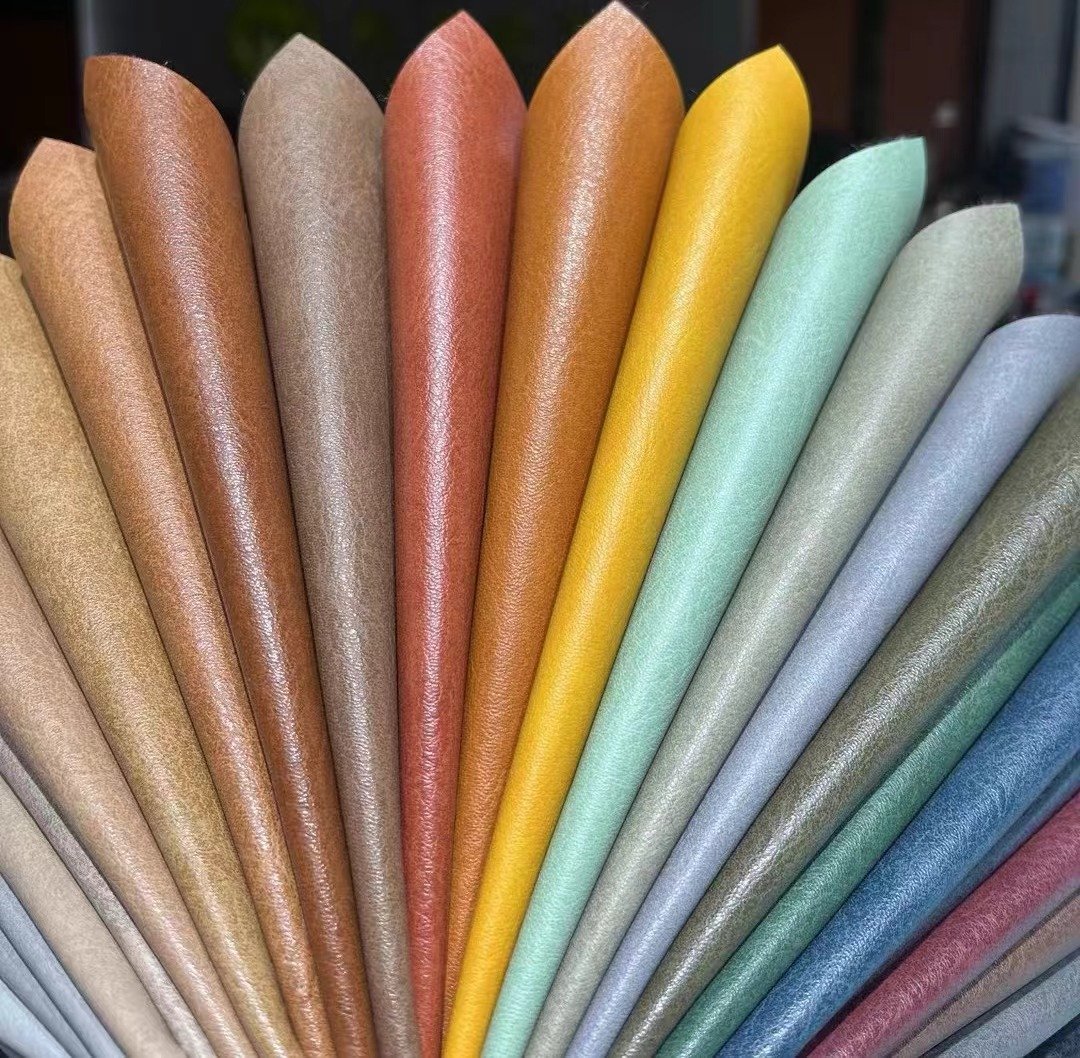
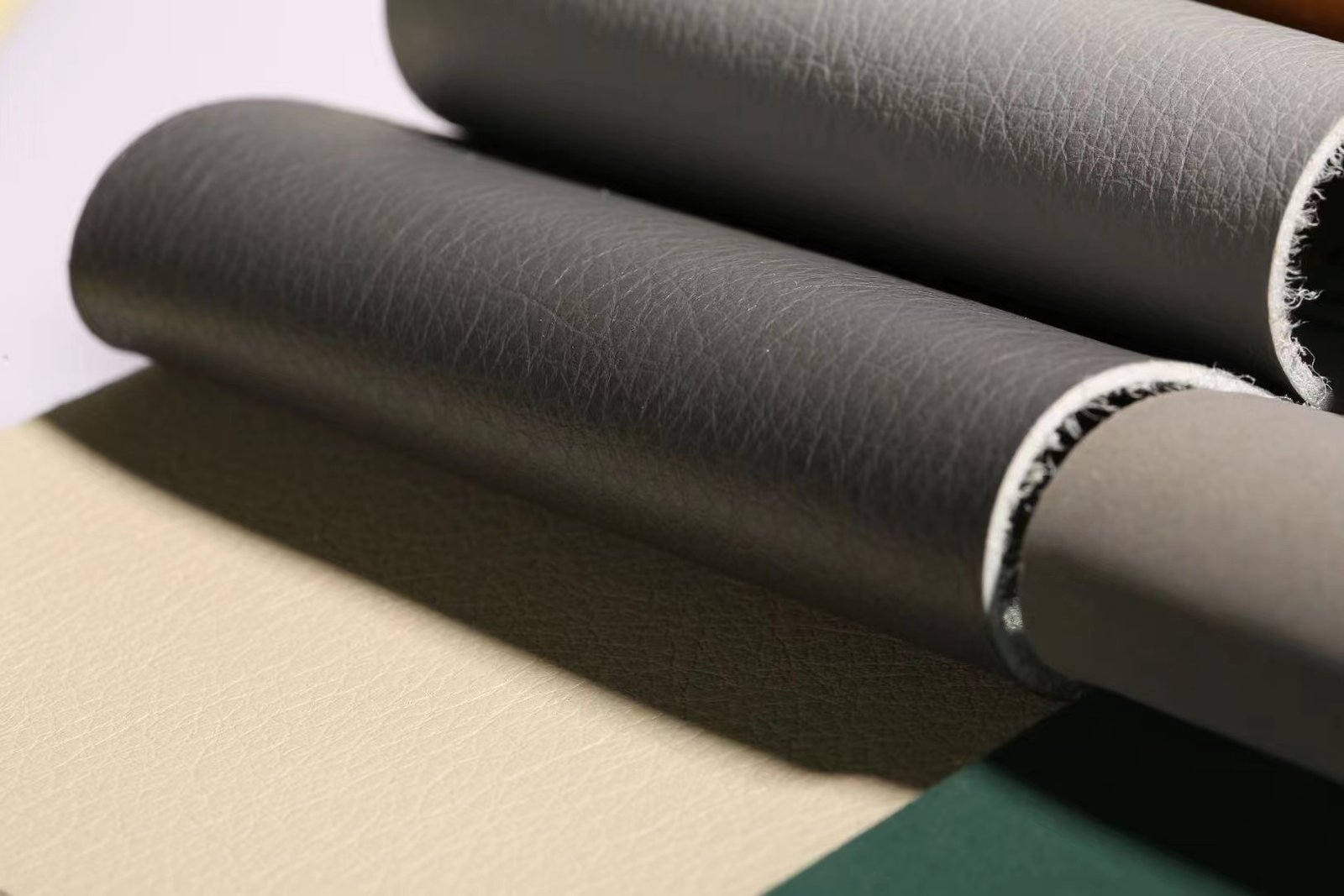
Faux leather (also known as artificial leather, synthetic leather, or vegan leather) is a man-made material designed to mimic the look and feel of genuine leather. Unlike real leather, faux leather is made from a variety of synthetic materials such as polyurethane (PU), polyvinyl chloride (PVC), or silicone.
Faux leather is popular due to its affordability, durability, and ethical considerations. It’s used in a variety of applications, from furniture upholstery to fashion accessories. However, the backing material is equally important because it determines the flexibility, strength, and feel of the finished product.
What Is Backing Material in Faux Leather?
The backing material in faux leather refers to the fabric or layer that supports the surface layer of faux leather. The backing gives the material its strength and structure, and it can significantly impact the product’s comfort, performance, and durability.
Types of Backing Materials for Faux Leather
There are several different types of backing materials used in faux leather products, each with unique properties. The most common backing materials include:
1. Polyester Backing
Polyester backing is one of the most commonly used materials in faux leather products. It’s a strong, lightweight, and affordable option that provides good flexibility and durability. Polyester-backed faux leather is ideal for products that require a bit of stretch, such as upholstery, automotive seats, and fashion accessories.
Key Benefits:
-
Flexible and lightweight
-
Resistant to shrinking or stretching
-
Cost-effective
2. Cotton Backing
Cotton-backed faux leather offers a more natural feel and is often used for high-end upholstery or luxury goods. Cotton is breathable, which makes it an excellent choice for furniture upholstery and clothing items where comfort is a priority. It’s also more environmentally friendly than synthetic materials like polyester.
Key Benefits:
-
Soft and breathable
-
Comfortable for long-term use
-
Eco-friendly alternative
3. Nonwoven Fabric Backing
Nonwoven fabric is a type of backing material that doesn’t have a woven structure but is bonded together through a process of heat or pressure. This material provides extra strength and resilience and is often used for industrial or commercial applications. It’s ideal for faux leather products that need to endure heavy use, such as chairs, bags, or shoes.
Key Benefits:
-
Durable and resilient
-
Suitable for heavy-duty products
-
Resistant to wear and tear
4. Foam Backing
Foam-backed faux leather is commonly used in upholstered furniture and automotive seats. The foam backing adds extra cushioning and comfort to the product, making it a popular choice for luxury sofas, car seats, and mattresses. Foam-backed faux leather offers a soft, plush feel while still maintaining its durability.
Key Benefits:
-
Adds comfort and cushioning
-
Ideal for seating and mattresses
-
Provides extra durability
5. Fleece Backing
Fleece backing provides an additional layer of warmth and softness, making it a great choice for cold-weather apparel or winter accessories. Faux leather with fleece backing offers a cozy feel and can be used for products like jackets, gloves, or boot linings.
Key Benefits:
-
Soft and warm
-
Ideal for winter products
-
Adds extra comfort
How to Choose the Right Backing Material for Your Faux Leather Products
Choosing the right backing material for your faux leather product depends on several factors, including intended use, comfort requirements, and durability. Here are some important considerations:
1. Consider the Product’s End Use
Think about how the faux leather product will be used. For upholstery and automotive applications, you may want a stronger, more resilient backing material, like polyester or nonwoven fabric. For fashion accessories or luxury furniture, cotton or foam backing may be more suitable due to their softness and comfort.
2. Think About Comfort and Flexibility
If comfort is a priority, such as in cushioned furniture or car seats, choose a backing material like foam or cotton that offers softness and flexibility. Fleece is another great option for products where extra warmth and comfort are desired.
3. Focus on Durability
For products that need to withstand heavy use, such as office chairs or commercial furniture, opt for a more durable backing like polyester or nonwoven fabric. These materials provide extra strength and resistance to wear and tear, ensuring your faux leather products last longer.
4. Eco-Friendly Considerations
If environmental impact is important, consider using cotton or other natural fibers as backing materials. These are generally more eco-friendly than synthetic options and can help make your products more sustainable.
PU Leather vs PVC Leather Backing: Which is Better?
When it comes to backing materials, both PU leather and PVC leather offer a wide range of options.
-
PU leather generally offers softer and more breathable materials, making it ideal for products that require flexibility and comfort, such as fashion accessories and upholstery.
-
PVC leather is known for its durability and water resistance, making it a great choice for commercial products, outdoor furniture, and automotive interiors.
Both types of faux leather can be paired with a variety of backing materials to enhance their functionality, durability, and comfort.
FAQ
1. What is the best backing material for faux leather upholstery?
For upholstery, polyester or foam backing are the best choices, depending on whether you prioritize strength or comfort.
2. Can faux leather be eco-friendly?
Yes! Faux leather made with cotton backing or other natural materials is a more eco-friendly alternative to traditional leather.
3. How do I know which backing material to choose for my product?
Consider the intended use, comfort needs, and durability of the product. For example, foam-backed faux leather is great for comfort, while nonwoven fabric is better for strength.
Conclusion
Choosing the right backing material for your faux leather products is essential for achieving the right balance of comfort, durability, and aesthetics. By understanding the types of backing materials available and their specific benefits, you can ensure your products perform well and meet customer expectations.
Next Steps for You
If you’re considering using faux leather for your next project, explore our range of faux leather materials with different backing options to find the perfect fit.
Internal Links: