Is PU Leather Really Eco-Friendly?
Material Facts, Environmental Impact & Expert Insights
PU leather has become one of the most widely used synthetic leather materials across furniture, upholstery, automotive interiors, fashion accessories, and commercial applications.
Often promoted as a vegan and animal-free alternative to genuine leather, PU leather also raises important questions:
-
Is PU leather truly eco-friendly?
-
How does it compare with PVC leather and natural leather?
-
What environmental concerns exist in real-world production?
-
Are new technologies making PU leather more sustainable?
This guide provides a professional, material-based evaluation to help buyers and project developers make informed decisions.
What Is PU Leather?
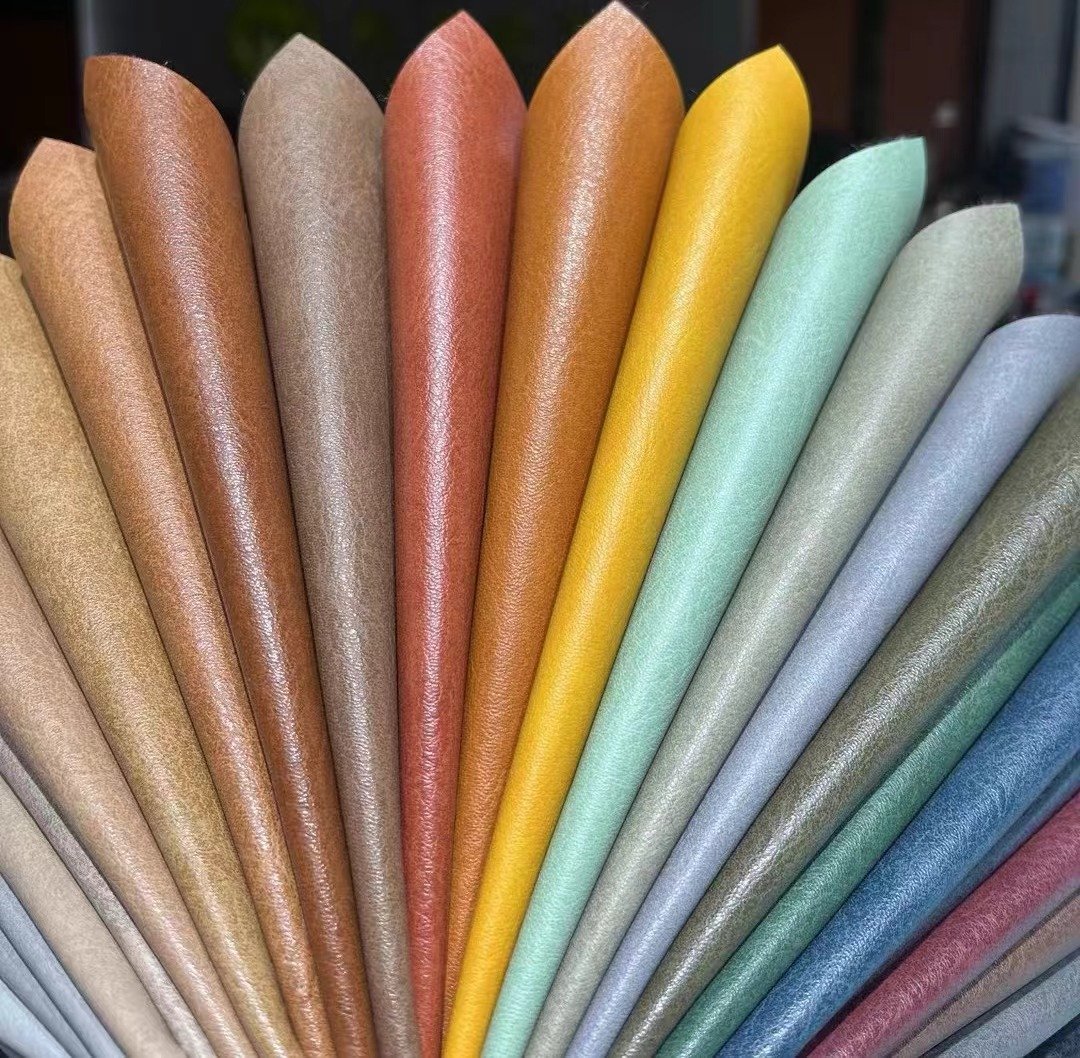
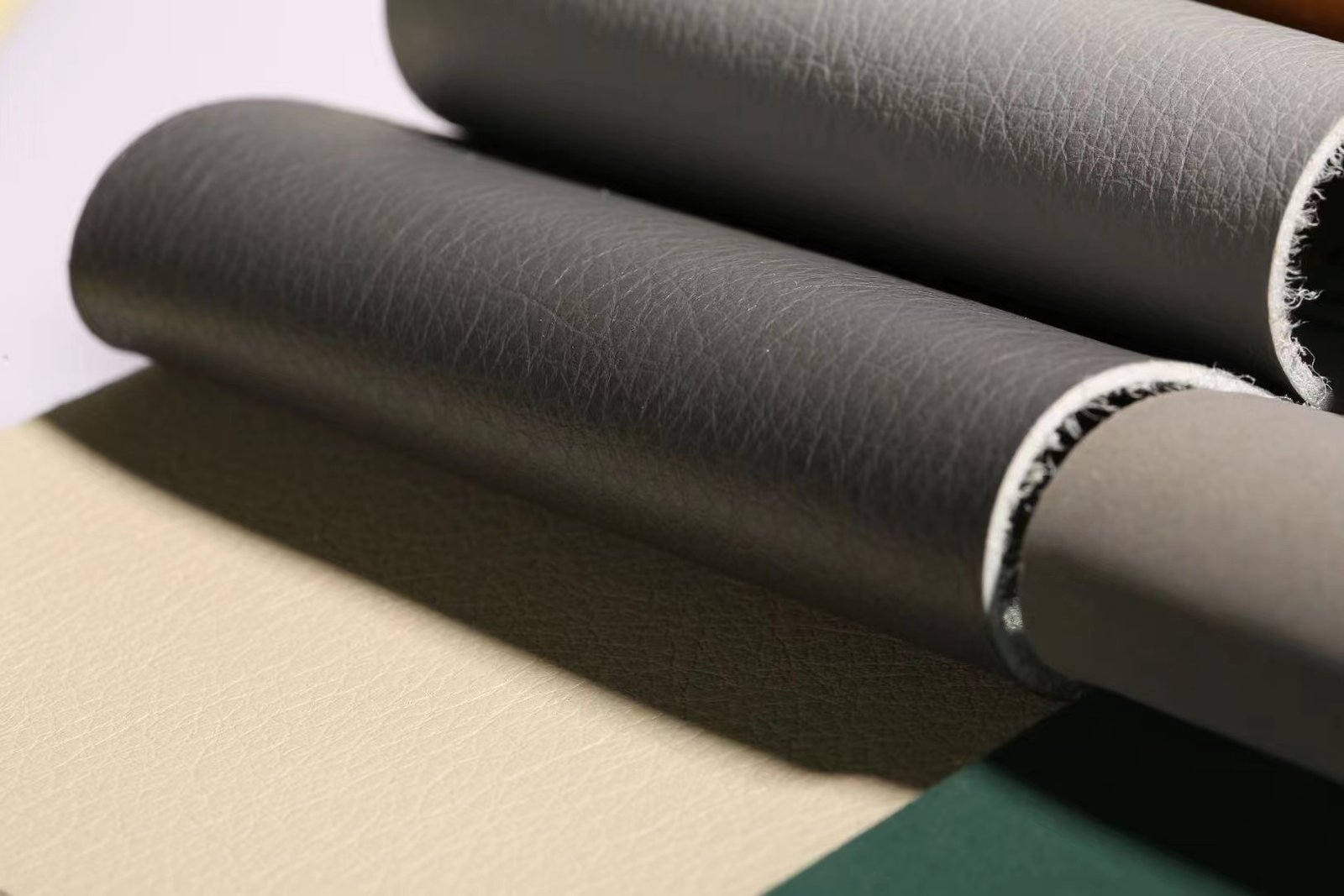
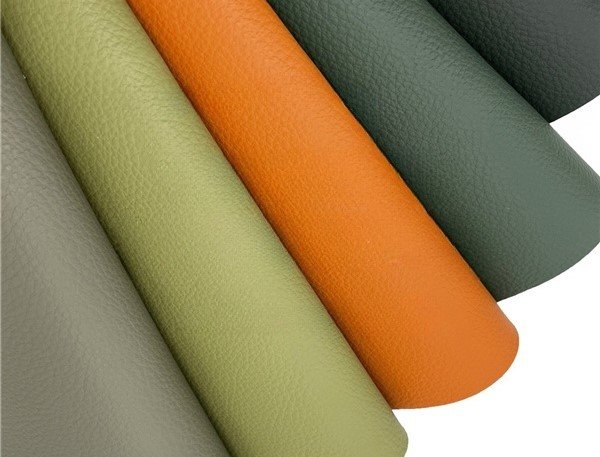
PU leather (polyurethane leather) is a synthetic leather material produced by coating a fabric base—such as polyester or microfiber—with a polyurethane layer.
It is commonly referred to as:
-
PU leather material
-
Leather-like PU
-
Artificial leather
-
Synthetic leather
-
Faux leather or leatherette
PU leather is widely used in:
-
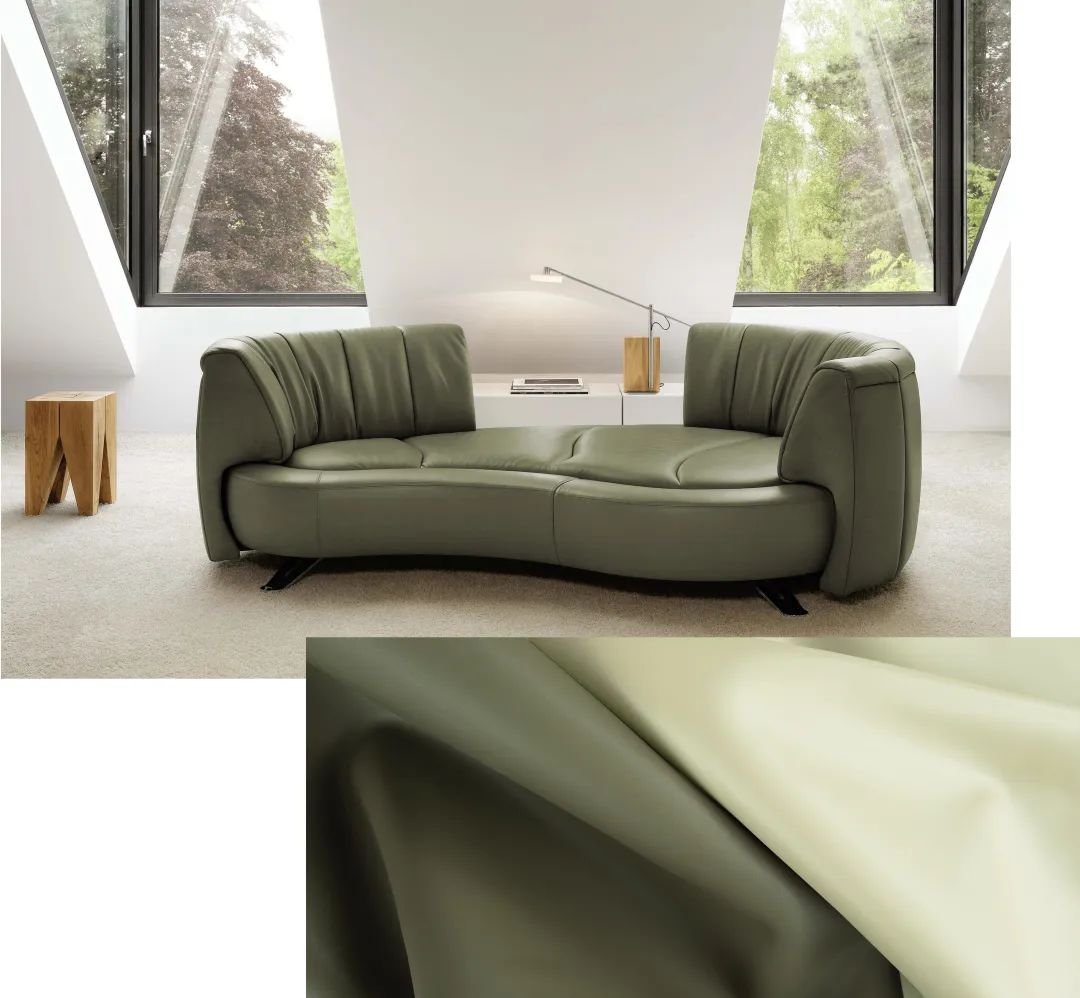
Furniture leather & upholstery leather
-
Interior fabrics and coated textiles
-
Automotive seating and trim
-
Bags, footwear, and accessories
Its popularity comes from design flexibility, cost efficiency, and consistent quality.
How PU Leather Is Manufactured
PU leather production typically involves:
-
Fabric substrate preparation
-
Application of polyurethane coating
-
Surface embossing or grain finishing
-
Curing, coloring, and performance treatments
Depending on technology, PU leather can be manufactured as:
-
Conventional solvent-based PU
-
Water-based PU
-
EPU leather (Eco-friendly PU)
Each method significantly affects environmental impact.
Why PU Leather Is Considered More Eco-Friendly Than Some Alternatives
PU leather is often viewed as a more sustainable option because:
✅ No Animal Farming
Unlike genuine leather, PU leather does not rely on livestock breeding, which contributes heavily to:
-
Greenhouse gas emissions
-
Water consumption
-
Land degradation
✅ Lower Environmental Impact Than PVC
Compared to PVC leather:
-
PU leather does not contain chlorine
-
It does not release dioxins during production or disposal
-
It is softer and requires fewer plasticizers
For this reason, PU leather is generally considered less harmful than vinyl-based materials.
✅ Lightweight & Resource Efficient
PU leather requires fewer natural resources and offers high production efficiency with minimal waste compared to animal hides.
Environmental Concerns of PU Leather
Despite these advantages, PU leather is not impact-free.
Key environmental concerns include:
-
Use of petroleum-based polymers
-
Chemical solvents in traditional PU production
-
Limited biodegradability
-
Microplastic concerns at end of life
Therefore, PU leather’s sustainability depends heavily on manufacturing technology and formulation.
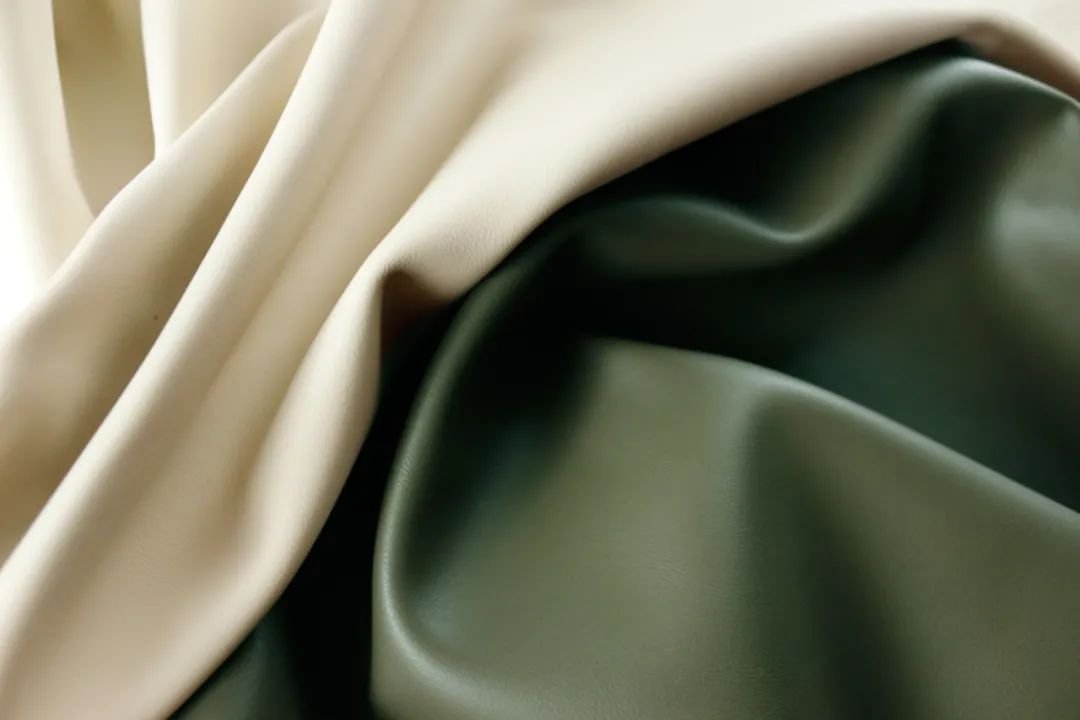
PU Leather vs Genuine Leather vs PVC Leather
| Aspect | PU Leather | Genuine Leather | PVC Leather |
|---|---|---|---|
| Animal-Free | Yes | No | Yes |
| Chemical Usage | Medium | High (tanning) | High |
| Dioxin Risk | No | No | Yes |
| Biodegradability | Limited | Partial | Very limited |
| Cost Efficiency | High | Low | High |
| Environmental Control | Process dependent | Difficult | Limited |
No material is entirely “green” — sustainability depends on lifecycle management.
Advances Making PU Leather More Sustainable
Modern synthetic leather technologies now significantly reduce environmental impact.
✔ Water-Based PU
-
Lower solvent usage
-
Reduced VOC emissions
-
Improved indoor air safety
✔ Solvent-Free PU
-
No DMF
-
No VOC
-
Odorless performance
-
Improved worker safety
✔ EPU Leather (Eco-Friendly PU)
-
Low-emission formulation
-
REACH & RoHS compliant
-
Widely used in export-grade upholstery
✔ Hybrid & Alternative Materials
-
Silicone leather
-
Microfiber leather
-
Bio-based polyurethane systems
These materials improve durability while minimizing chemical exposure.
PU Leather in Modern Upholstery & Interior Applications
PU leather remains widely used across:
-
Upholstery fabric systems
-
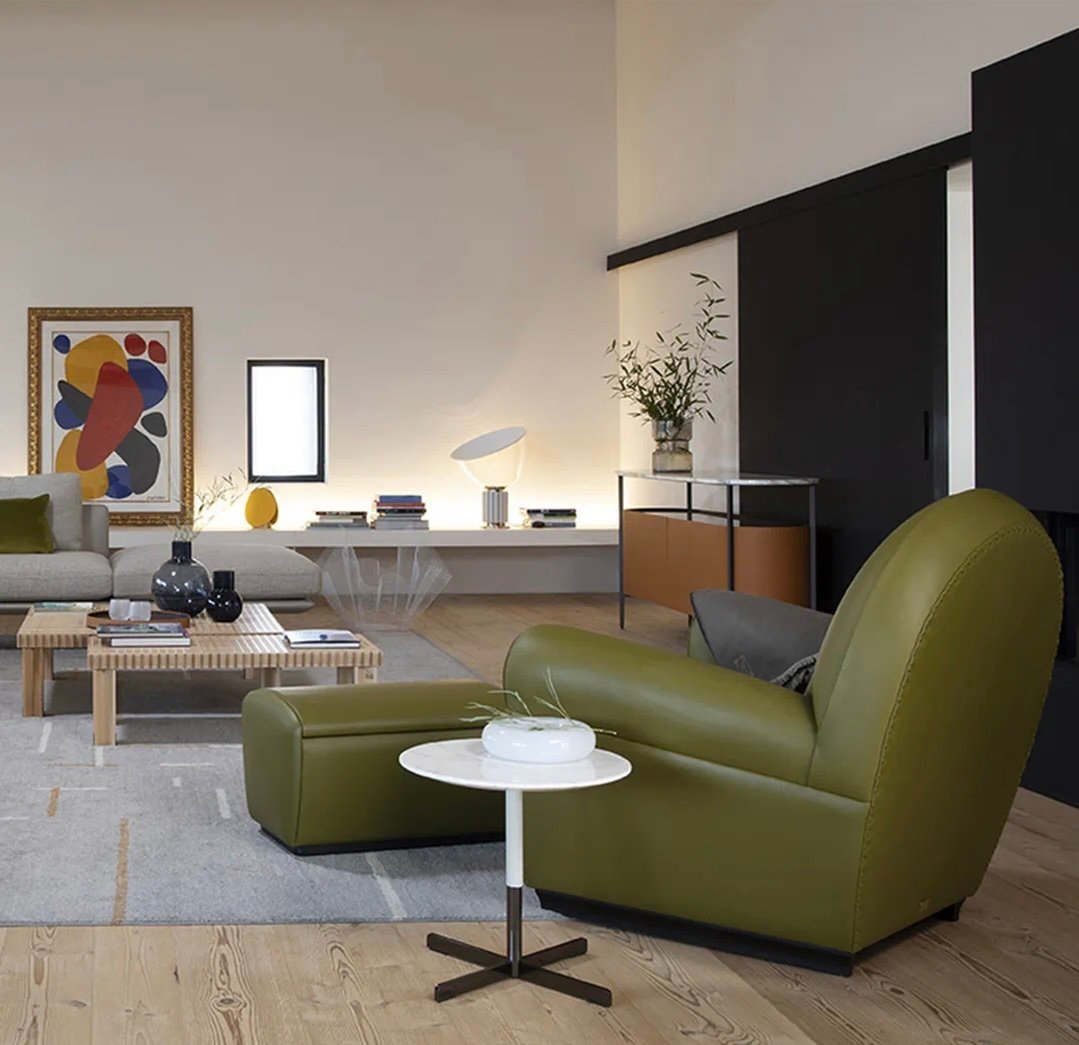
Furniture leather and seating
-
Interior wall panels
-
Automotive interiors
-
Vinyl wallcoverings and coated fabrics
When properly engineered, PU leather can meet demanding performance standards including:
-
High abrasion resistance
-
Hydrolysis resistance up to 10 years
-
Anti-stain surfaces
-
Water resistant & sweat proof
-
Resistant to medical alcohol wipes
Safety, Compliance & Customization Options
Modern PU leather and synthetic leather can be customized to meet global standards:
-
Solvent Free / Food-grade
-
Non-toxic & odorless
-
Formaldehyde-Free
-
No VOC / No DMF
-
UV & weather resistance
-
Anti-yellowing
-
Cold resistance & high-temperature tolerance
-
CA117 fire resistance
-
UK BS5852 (0&1)
-
Crib 5
-
REACH & RoHS compliant
These options make PU leather suitable for hospitality, healthcare, furniture, and commercial interiors.
The Role of Consumers and Buyers
For B2B buyers and project developers, sustainability decisions should consider:
-
Manufacturing process transparency
-
Material compliance documentation
-
Expected service life
-
Maintenance frequency
-
Replacement cycle
Longer-lasting materials often result in lower total environmental impact, even if initial production uses synthetic polymers.
The Future of PU Leather Sustainability
Industry innovation is rapidly advancing toward:
-
Bio-based polyurethane
-
Recyclable PU systems
-
Improved hydrolysis stability
-
Lower-carbon manufacturing processes
PU leather is evolving from a basic alternative into a controlled, engineered material system aligned with global sustainability goals.
Frequently Asked Questions (FAQ) – Upgraded Version
1) Is PU leather environmentally friendly?
PU leather can be a more environmentally considerate choice than PVC leather, and it avoids animal farming. But “eco-friendly” is not automatic — it depends on chemistry + manufacturing + end-of-life.
What makes PU leather more eco-friendly (in many cases):
-
No chlorine chemistry (compared with PVC), which can reduce certain environmental and disposal concerns.
-
Lower odor / lower VOC potential if the system uses water-based or low-solvent processes.
-
No animal-hide supply chain, which avoids impacts linked to livestock.
What can still make PU leather less sustainable:
-
Solvent-heavy production, poor VOC control, or non-compliant additives.
-
Very short product lifespan (the “most sustainable” material is often the one that lasts longer).
-
Limited recyclability because PU leather is typically a composite (PU layer + backing fabric).
How buyers should evaluate “eco” claims (practical checklist):
-
Ask for VOC / odor compliance (e.g., REACH / CA Prop 65 if relevant).
-
Confirm if it’s water-based PU or solvent-based PU.
-
Ask whether the supplier can provide material safety documentation (MSDS/TDS) and test reports.
2) Is PU leather biodegradable?
In most commercial applications today, traditional PU leather is not biodegradable in any meaningful timeframe, because it is designed for durability and contains stable polymer structures.
What’s changing:
-
Some manufacturers are developing bio-based PU (using renewable feedstocks) and modified PU systems that improve degradation pathways.
-
Important nuance: bio-based ≠ biodegradable. A product can contain bio-based content but still not biodegrade.
If your customer requires biodegradability:
-
Ask for recognized test standards and what condition it degrades under (industrial composting? landfill? marine?).
-
Watch out for “biodegradable” claims without third-party verification.
Best practice wording for projects:
-
If biodegradability is a must, treat it as a spec requirement and demand test-backed evidence, not marketing descriptions.
3) Is water-based PU better for the environment?
Generally, yes — water-based PU is widely considered a better option because it typically:
-
Reduces VOC emissions (less solvent use).
-
Improves indoor air quality during production and in finished products (odor control is often better).
-
Helps suppliers meet tighter compliance requirements more easily.
But it’s not always “better” in every spec:
-
Certain high-demand environments (heavy abrasion, hydrolysis resistance, extreme heat/humidity) require proper formulation; a poor water-based system can fail early.
-
Performance depends on the full structure: topcoat, basecoat, adhesion system, backing fabric, and curing.
What to ask suppliers (so you don’t get “green but weak”):
-
Abrasion test results (Martindale/Wyzenbeek).
-
Hydrolysis resistance / aging results (especially for hot & humid regions).
-
Odor / VOC test reports for hospitality or indoor projects.
4) What is EPU leather?
EPU usually stands for Eco/Environmental PU. In practice, it’s often used as a commercial term for PU leather made with:
-
Low-VOC / low-odor systems
-
Solvent-free or reduced-solvent production
-
Sometimes water-based PU
-
Sometimes restricted chemicals compliance (varies by supplier)
Key point:
“EPU” is not a globally fixed technical standard. Different suppliers can use the term differently.
How to make EPU meaningful in procurement:
Instead of accepting “EPU” as a label, specify what you actually need:
-
water-based PU (yes/no)
-
VOC/odor limit
-
restricted substances compliance
-
durability targets (abrasion, peeling strength, hydrolysis, color fastness)
5) Is PU leather suitable for hotel and commercial projects?
Yes — PU leather is widely used in hospitality and contract furniture, but only when the spec is engineered for project reality (traffic + cleaning + fire codes + climate).
Why PU works well in hotels/commercial spaces:
-
Good balance of appearance + cost + consistency (important for large batches).
-
Easier to control color/texture uniformity versus natural hide.
-
Can be engineered for functional needs like stain resistance and abrasion resistance.
What must be defined for hotel projects (avoid “sample ok, bulk fails”):
-
Fire retardancy requirement (which standard is needed depends on region/project).
-
Abrasion resistance target (high-traffic seating vs decorative panels differ).
-
Cleaning chemical resistance (alcohol wipes, disinfectants, stain removers).
-
Hydrolysis resistance (critical for Middle East humidity/heat, coastal projects, and long lifecycle).
-
Color fastness (light exposure in lobbies / near windows).
Common mistakes in contract projects:
-
Approving a small sample without confirming the final coating system and backing used in mass production.
-
Not specifying cleaning method; hotel housekeeping chemicals can destroy the topcoat.
-
Only asking “is it PU?” rather than setting measurable performance benchmarks.
Conclusion
PU leather is not a perfect environmental solution—but it is continuously improving.
When produced using modern technologies such as water-based PU, solvent-free PU, and EPU leather, it can offer a balanced combination of:
-
Ethical advantages
-
Controlled environmental impact
-
Cost efficiency
-
Design versatility
For buyers seeking responsible alternatives to traditional leather, PU leather remains an important and evolving material choice.
Sustainable Alternatives from FurniLeather
FurniLeather provides a comprehensive range of advanced materials, including:
-
Eco-friendly PU (EPU)
-
Solvent-Free PU
-
Microfiber leather
-
Silicone leather
-
Upholstery fabrics & coated textiles
Designed to support global demand for environmentally responsible synthetic leather solutions.