Solvent-Free Upholstery Leather: Ideal for Commercial Furniture
Solvent-free synthetic leather is quickly becoming a preferred upholstery material in the commercial furniture supply chain—especially for sofas, chairs, beds, and soft furnishings used in high-traffic environments.
For B2B buyers, the decision is rarely about “eco” as a slogan. It’s about practical outcomes:
-
Lower odor and improved indoor comfort
-
More controllable compliance requirements
-
Stable touch and appearance across bulk production
-
Durability under daily use and cleaning
-
A material story that fits hospitality, office, and public-space projects
This guide explains solvent-free upholstery leather in a procurement-ready, industry-professional way—covering construction, types, textures, base fabrics, specifications, selection logic, and real project FAQs.
What Is Solvent-Free Synthetic Leather?
Solvent-free synthetic leather (also called solvent-free artificial leather or solvent-free coated fabric) is a coated upholstery material produced with solvent-free systems rather than traditional solvent-heavy processes.
In commercial furniture applications, solvent-free systems are commonly selected to support:
-
Low odor / improved air quality perception
-
Reduced reliance on certain solvents used in conventional PU processes
-
A more “project-friendly” compliance pathway (depending on target standards)
Important note for B2B sourcing: “solvent-free” should be treated as a technical specification, not just a label. Always align it with:
-
required durability targets (abrasion, hydrolysis, peeling strength)
-
cleaning chemical exposure
-
regional compliance needs
Why Commercial Furniture Projects Are Moving Toward Solvent-Free Options
Commercial furniture often fails not in the showroom—but after deployment, when materials face:
-
continuous seating friction
-
frequent cleaning and disinfecting
-
heat/humidity cycles (especially hospitality)
-
color consistency requirements across multiple batches
-
on-site odor sensitivity during installation or opening
Solvent-free upholstery leather is increasingly used because it can be engineered for a better balance of:
-
comfort (touch + odor control)
-
stability (appearance over time)
-
project risk control (spec-driven selection, fewer surprises at scale)
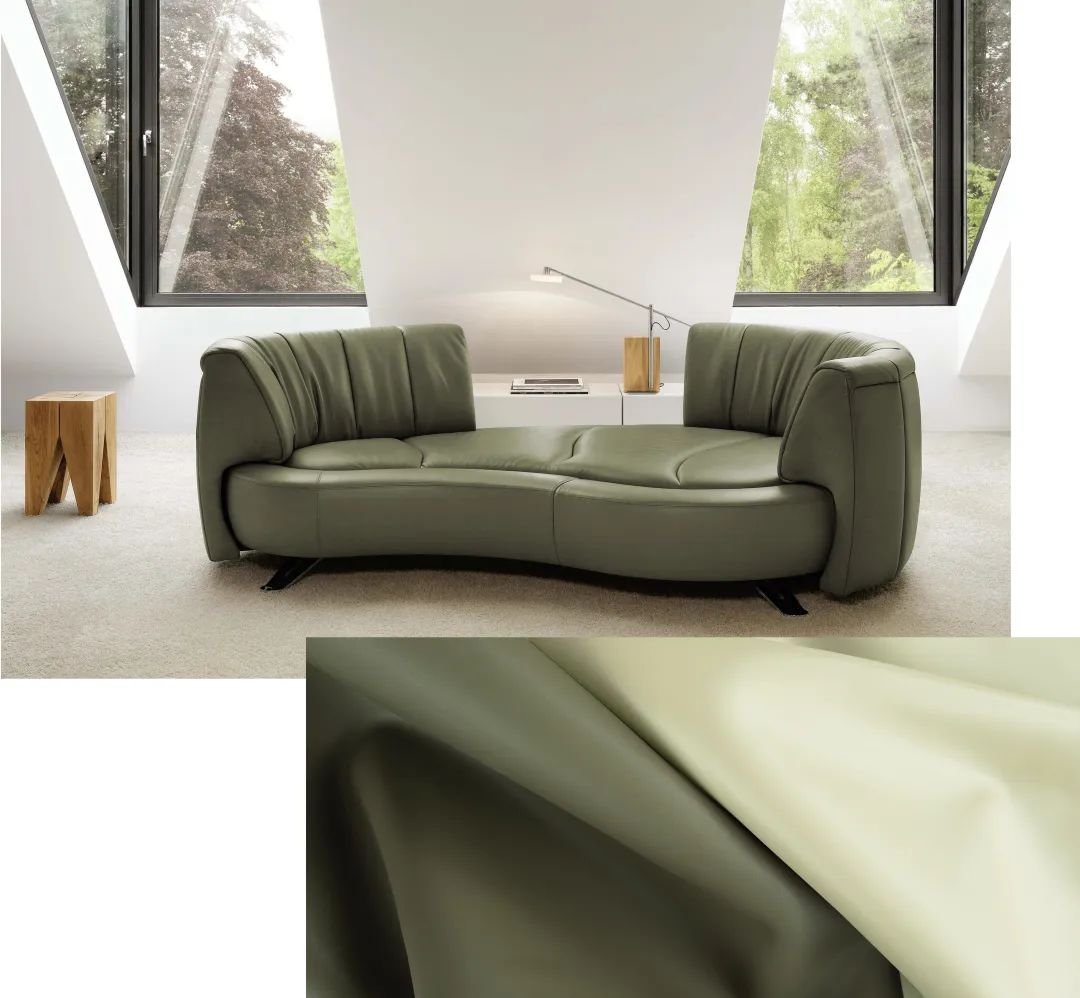
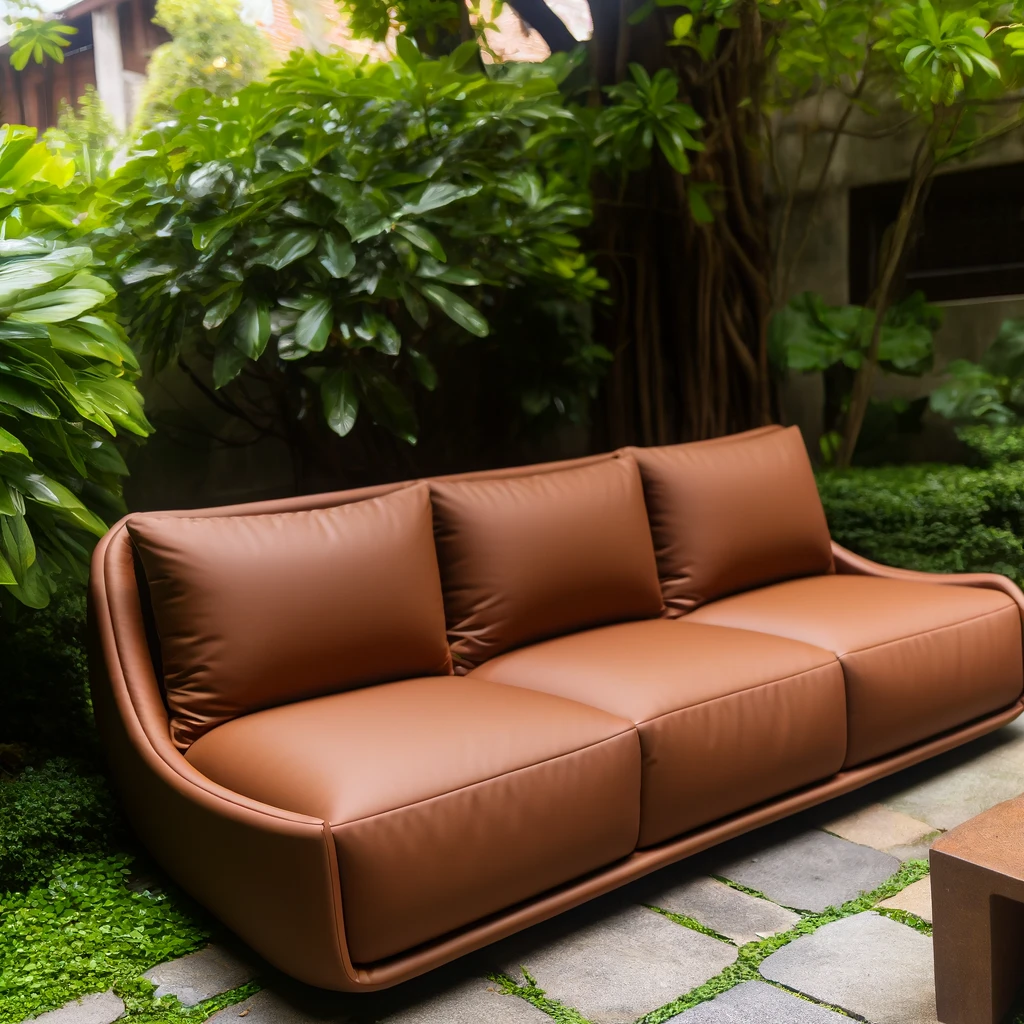
Solvent-Free Upholstery Leather for Sofas
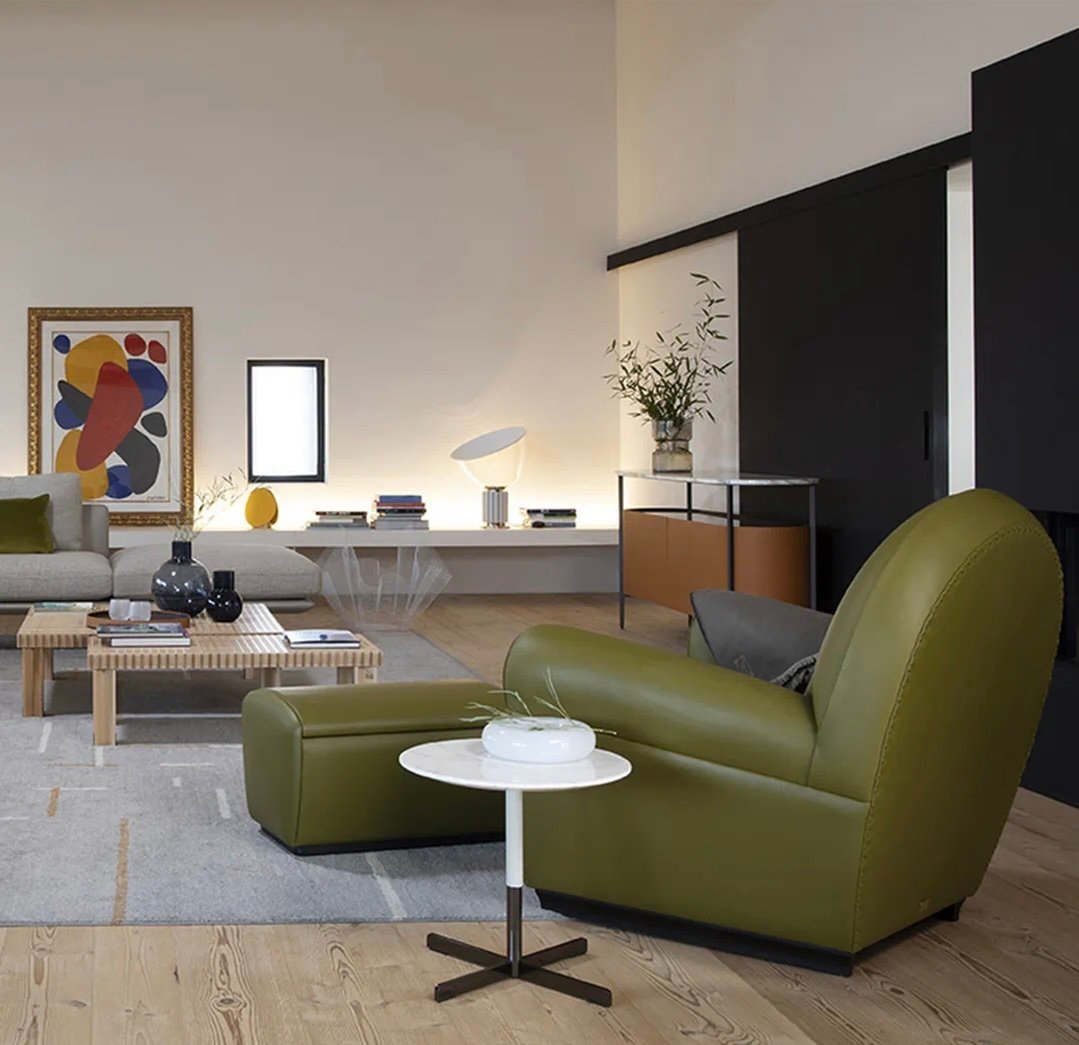
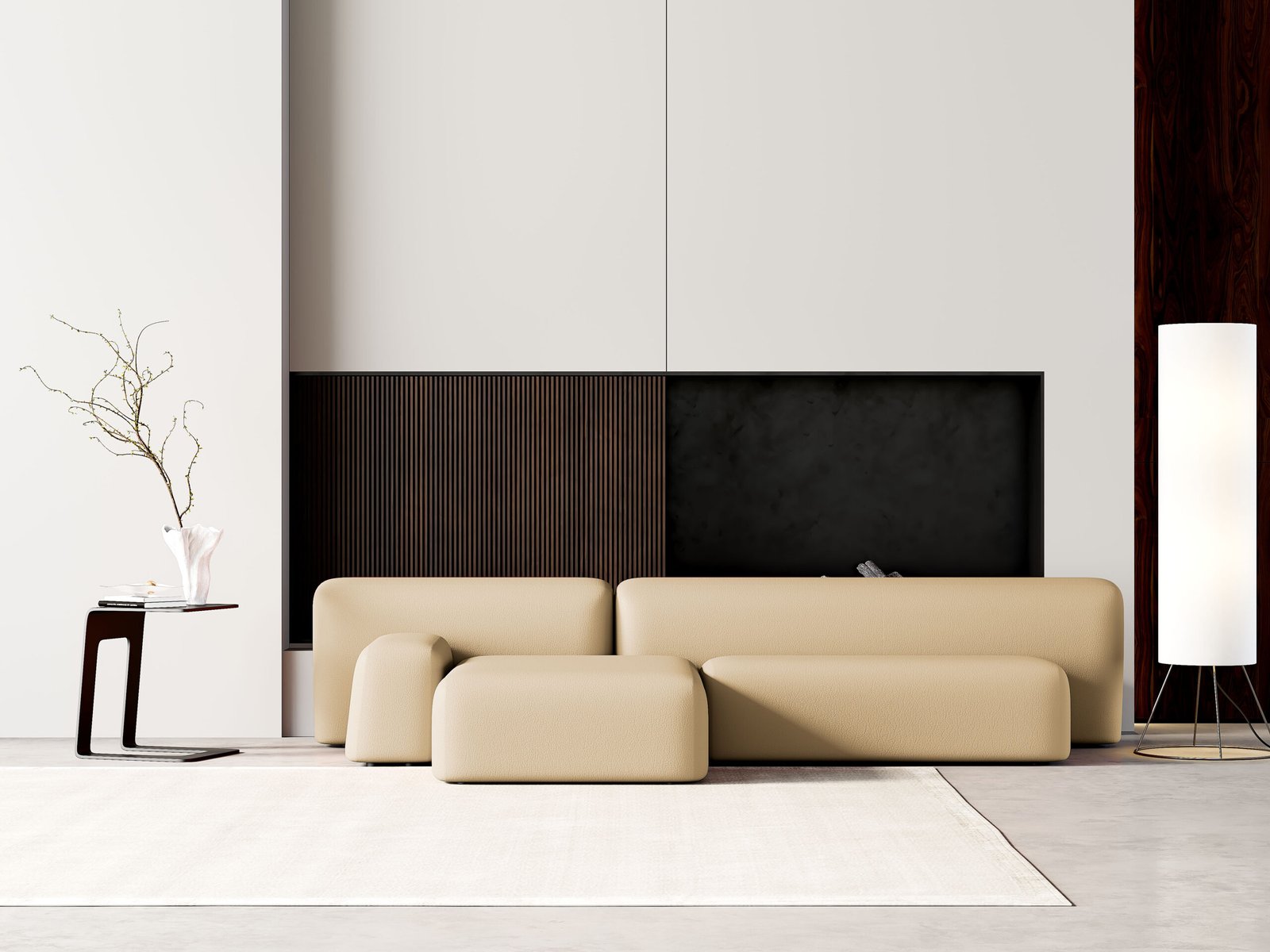
Sofas (commercial lounge, hotel lobby, office reception, serviced apartments) require materials that look premium, feel comfortable, and stay stable under daily use.
Solvent-free synthetic leather is commonly specified for:
-
lounge sofas
-
reception seating
-
guestroom seating
-
waiting area furniture
-
soft furnishings and upholstered bed panels
Types of Solvent-Free Upholstery Leather
In the market, two mainstream constructions are often referenced:
1) Pure Solvent-Free
This type focuses on a solvent-free coating system to deliver a balanced upholstery surface. It typically provides:
-
a slightly more “textured” touch depending on grain and topcoat
-
stable performance when correctly paired with backing fabric and coating thickness
Best for: general commercial upholstery where tactile softness is desired but cost and performance balance matter.
2) Solvent-Free with Semi-Silicone (Hybrid Touch Upgrade)
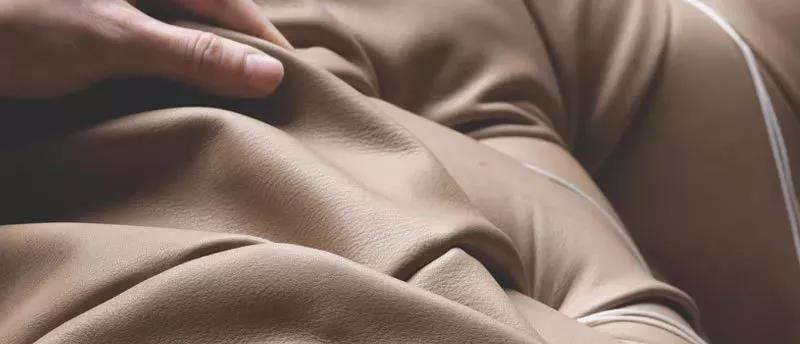
This variant integrates a semi-silicone effect in the surface system to achieve:
-
smoother, more “silky” hand feel
-
easier wipe-clean behavior in many applications
-
a premium tactile impression that suits hospitality seating
Best for: projects where touch perception is critical (hotel/public seating) and frequent cleaning is expected.
Base Fabric Options (Customizable Backings)
The backing fabric affects strength, sewing behavior, thickness feel, and long-term stability.
Common base fabric options include:
Cotton velvet-like backing
-
widely used due to cost-effectiveness
-
suitable for many commercial furniture applications
-
offers a soft overall hand feel
Wool velvet-like backing
-
often perceived as thicker and more “cushioned”
-
can support a premium feel and stability
Cow suede backing
-
premium structure and tactile performance
-
often used in upper-tier upholstery solutions and specific design requirements
Market reality: cotton and wool velvet-like backings are often favored for commercial programs due to competitive pricing and stable supply.
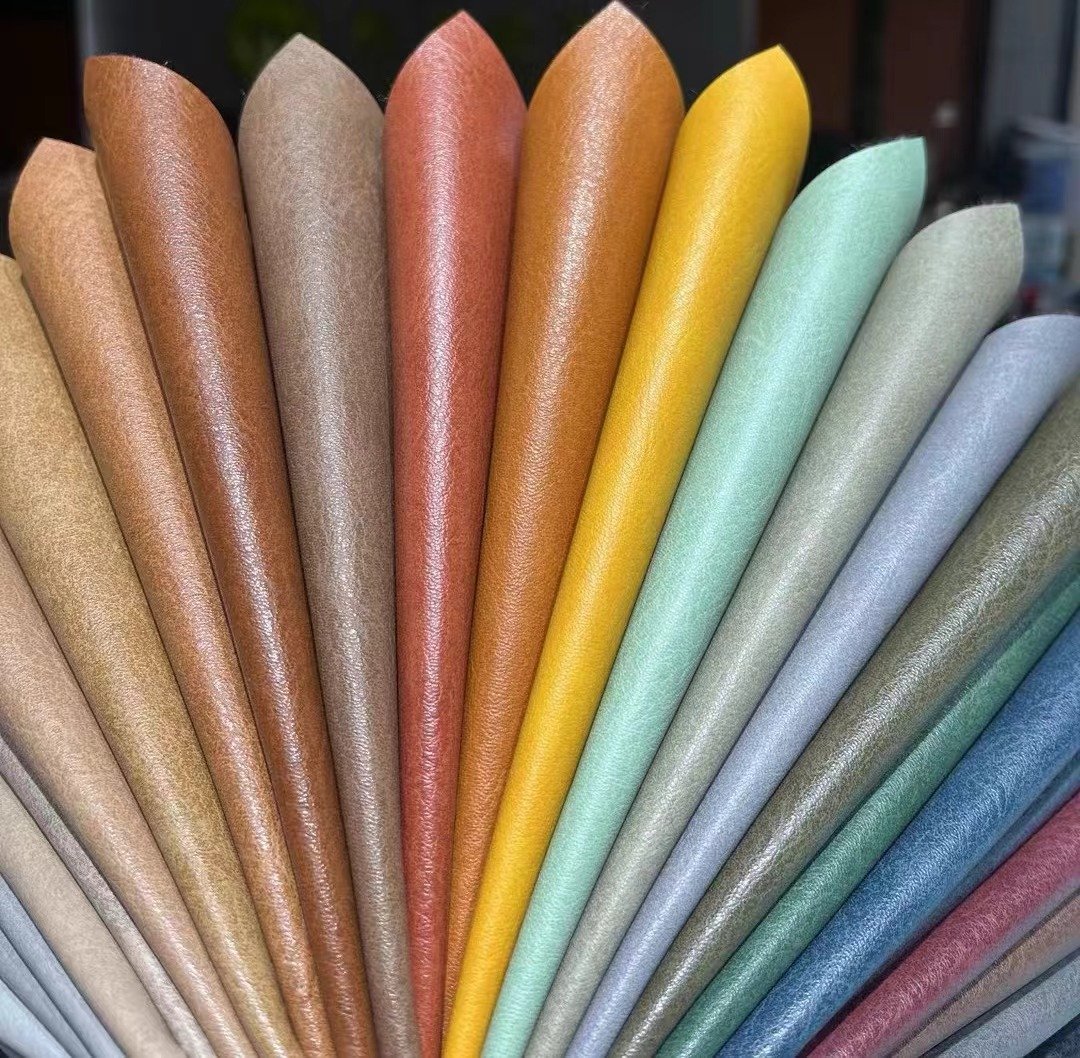
Colors, Grains, and Texture Options
Commercial furniture requires both design flexibility and batch stability.
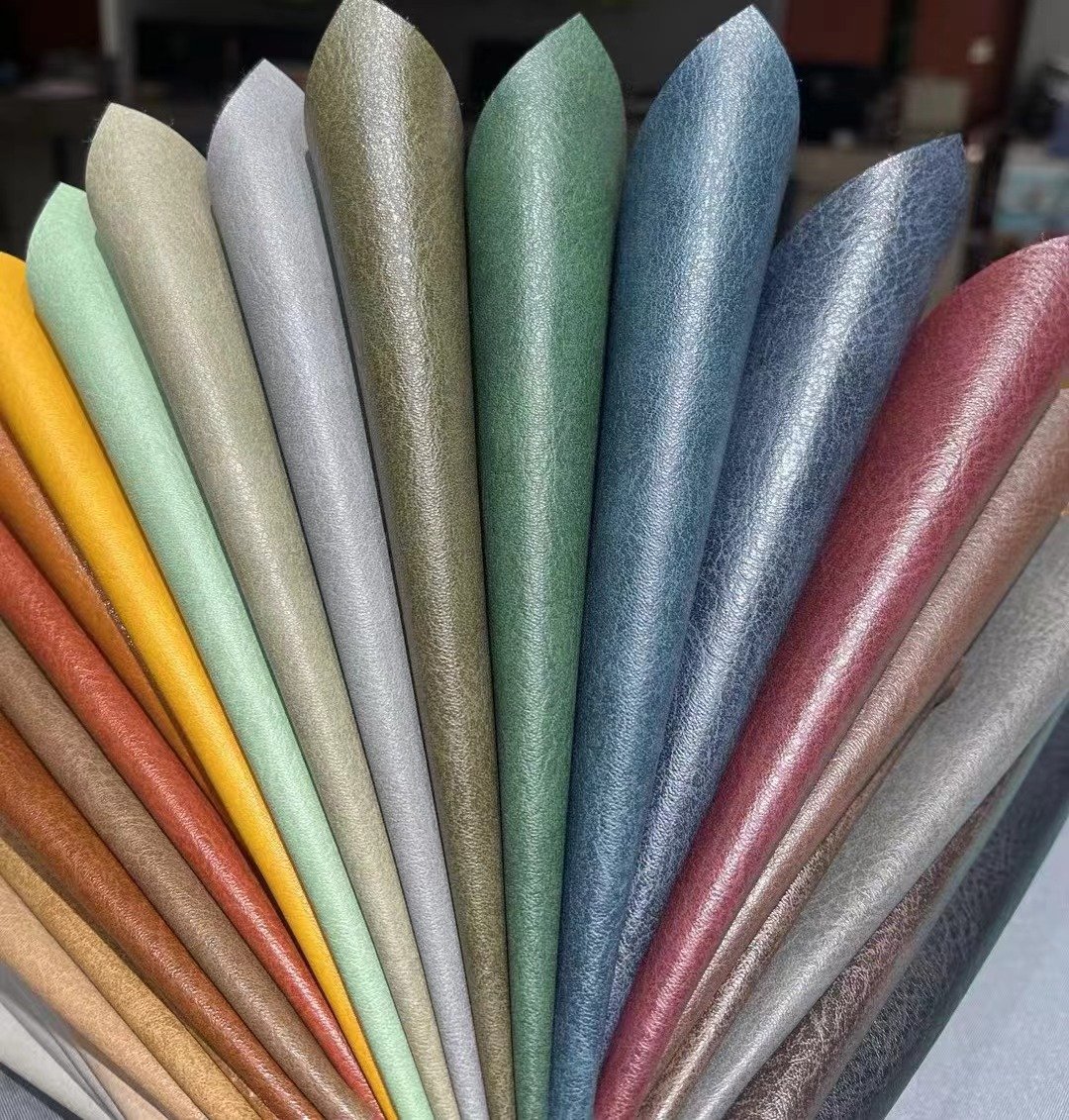
Typical options include:
-
trending tones such as blue-grey
-
classic white base options for lighter color programs
-
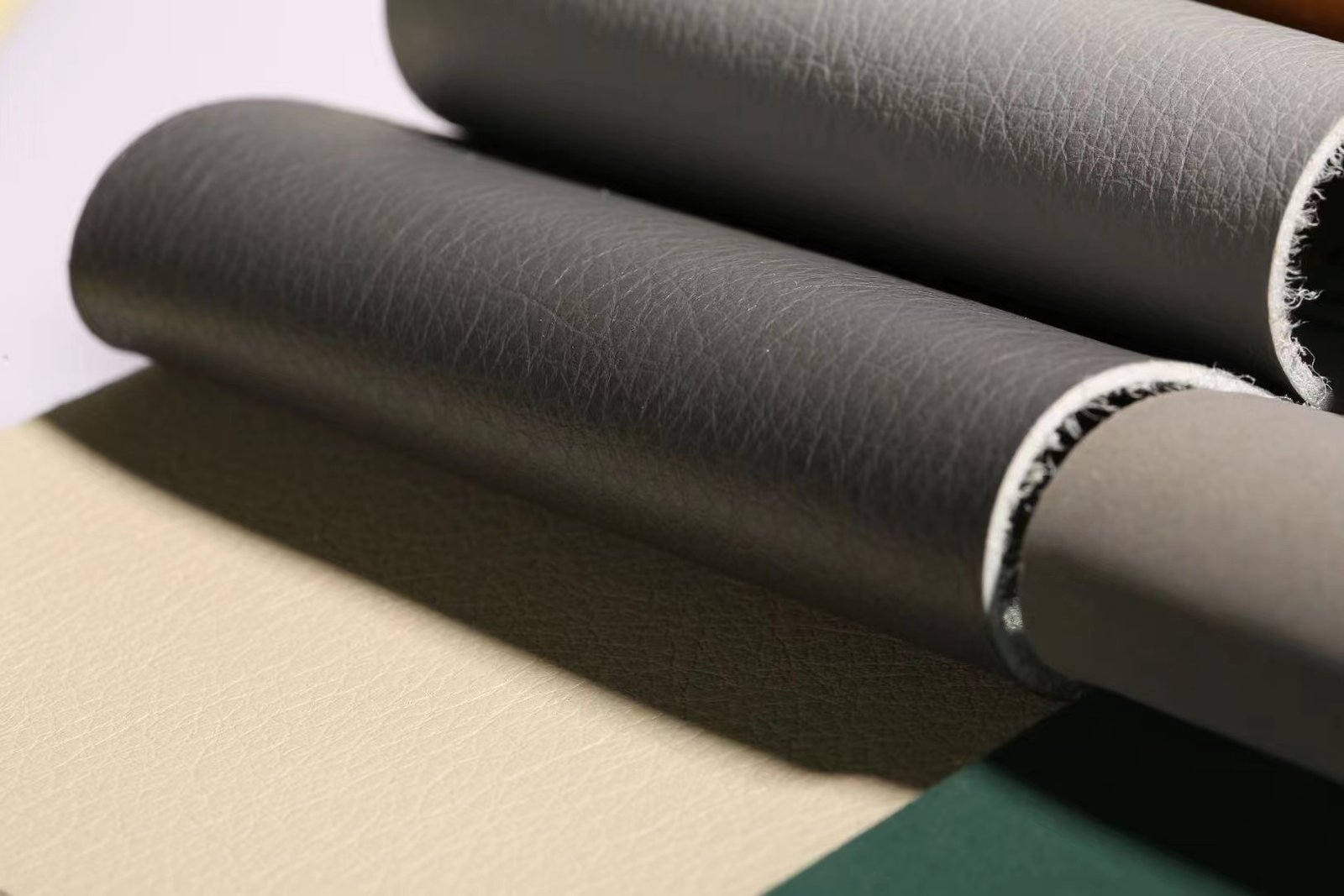
grains such as:
-
lychee
-
real leather pattern
-
customized embossing for brand or project identity
-
Touch profile overview:
-
semi-silicone variants: smoother, more premium hand feel
-
pure solvent-free variants: slightly more textured, depending on grain and topcoat
Product Specifications (Typical Upholstery Supply)
A common commercial specification set includes:
-
Thickness (approx., depends on backing)
-
cotton velvet-like: ~1.1 mm
-
wool velvet-like: ~1.3 mm
-
cow suede: ~1.4 mm
-
-
Standard width: 138 cm
These constructions are frequently used for:
-
sofas
-
chairs
-
beds and upholstered headboards
-
soft furnishings and panels
For bulk programs, buyers should confirm:
-
thickness tolerance range
-
color tolerance between lots
-
roll length and packing method
-
sewing behavior (wrinkle resistance, rebound, edge performance)
Performance Targets Buyers Should Define Early (Avoid Costly Rework)
To source solvent-free upholstery leather properly, define requirements before sample approval:
1) Abrasion Resistance (High Traffic)
Commercial seating needs abrasion performance. Ask for recognized abrasion tests (common industry practices vary by region).
2) Hydrolysis Resistance (Humidity & Long Lifecycle)
Hospitality and coastal regions require stronger resistance to aging under humidity/heat. If you need “hydrolysis resistance 10 years,” specify:
-
target test conditions
-
acceptance criteria
-
what “10 years” means in test equivalence
3) Anti-Stain & Easy Clean
Define the stains you actually care about:
-
coffee, wine, oil, cosmetics
-
denim dye transfer
-
disinfectant residue
4) Chemical Resistance (Cleaning Protocol)
If your furniture will be cleaned with alcohol wipes or disinfectants, you must specify it upfront.
5) Fire Resistance Standards (If Required)
For commercial furniture, fire compliance may be mandatory. Common references include:
-
CA117
-
UK BS5852 (0&1)
-
Crib 5
Fire performance must be tested on the final construction (coating + backing), not an unrelated version.
6) Compliance & Restricted Substances
If your project requires:
-
Formaldehyde-Free
-
No VOC
-
No DMF
-
REACH & RoHS compliant
…treat these as document-backed requirements, not marketing labels.
Where Solvent-Free Upholstery Leather Fits Best
Solvent-free synthetic leather is especially suitable for:
-
Hospitality seating (hotel lobby, lounge, guestrooms)
-
Office and commercial seating (reception, meeting areas)
-
Public space furniture (waiting rooms, shared facilities)
-
Residential projects with strong odor sensitivity requirements
-
Brand programs that require a cleaner material narrative
Related Material Options (For Multi-Category Procurement)
Depending on your project goals, you may also evaluate:
-
PU leather / Semi-PU
-
Water-based PU
-
EPU leather
-
PVC leather (vinyl) / PU & PVC leather
-
Silicone leather
-
Microfiber leather
-
Eco leather
-
Coated fabrics / upholstery fabric / interior fabrics
B2B sourcing works best when materials are selected by performance target and environment, not by category name alone.
Frequently Asked Questions (FAQ)
1) What does “solvent-free” mean in synthetic leather upholstery?
“Solvent-free” generally means the coating system is produced without the conventional solvent-heavy approach used in some PU leather production. For buyers, it typically matters because it may support:
-
lower odor perception
-
improved compliance pathway for certain markets
-
a more comfortable indoor installation and usage experience
However, “solvent-free” should be verified with technical documents and linked to performance tests. It is not automatically a guarantee of durability.
2) Is solvent-free upholstery leather the same as water-based PU?
Not necessarily. Water-based PU refers to polyurethane systems dispersed in water, while solvent-free refers to production systems that avoid conventional solvents. Some products can be positioned as both, but many are not identical.
The correct way to compare is by:
-
odor/VOC requirements
-
abrasion performance
-
hydrolysis resistance
-
cleaning chemical resistance
-
cost and tactile goals
3) Which is better for commercial sofas: pure solvent-free or semi-silicone solvent-free?
It depends on what your project values most:
-
Choose semi-silicone solvent-free when you need a smoother, more premium touch and stronger wipe-clean perception for hospitality and public seating.
-
Choose pure solvent-free when you want a balanced upholstery surface and more cost control while still meeting key performance requirements.
The best choice is the one that matches your cleaning method, touch expectation, and lifecycle targets.
4) Does solvent-free synthetic leather reduce odor?
Many solvent-free systems can reduce odor perception compared with solvent-heavy systems, but odor performance depends on:
-
exact formulation
-
curing and production controls
-
backing fabric selection
-
packaging and storage
If odor is a critical requirement (hotels, healthcare, new-store opening), specify an odor standard and request test evidence or sample evaluation under real conditions.
5) Can solvent-free upholstery leather resist alcohol wipes and disinfectants?
It can—if engineered for that requirement. Chemical resistance depends largely on the topcoat system.
If your furniture is cleaned frequently with alcohol wipes or disinfectants, specify:
-
the chemical type and concentration
-
cleaning frequency
-
required appearance retention (no dulling, no cracking, no color change)
Always request chemical resistance testing aligned with your protocol.
6) How durable is solvent-free upholstery leather in high-traffic commercial seating?
Durability depends on:
-
abrasion resistance level
-
coating thickness and structure
-
adhesion strength between layers
-
backing fabric stability
-
hydrolysis performance in humid climates
For commercial seating, request measurable evidence:
-
abrasion test reports
-
peeling/adhesion tests
-
aging/hydrolysis resistance tests (especially hospitality)
Durability should be assessed as a system, not by label.
7) What thickness should I choose for sofas, chairs, and beds?
Typical thickness ranges like 1.1–1.4 mm are common for upholstery, but “best thickness” depends on:
-
upholstery structure and foam design
-
sewing method and corner wrapping
-
desired feel (soft vs structured)
-
durability targets
As a baseline:
-
chairs and high-use seating often benefit from slightly stronger constructions
-
bed panels and soft furnishings may prioritize feel and appearance
Confirm thickness tolerance and performance tests rather than relying on thickness alone.
8) Can solvent-free upholstery leather meet fire standards like CA117, BS5852, or Crib 5?
Yes, it can be engineered to meet CA117, BS5852 (0&1), or Crib 5, but fire performance must be tested on the final production construction (coating + backing).
Always ensure the fire report corresponds to:
-
the correct backing fabric
-
the correct thickness
-
the correct topcoat version
9) What documents should I request before placing bulk orders?
For commercial projects, request:
-
Technical Data Sheet (TDS)
-
Safety Data Sheet (SDS/MSDS)
-
abrasion report
-
hydrolysis/aging data (if required)
-
chemical resistance test (if cleaning is aggressive)
-
compliance declarations (REACH/RoHS, No DMF, formaldehyde-free, VOC limits)
-
fire certificate (if required)
These reduce risk of sample-to-bulk inconsistency.
10) What information should I provide to get the right recommendation?
To select the right construction, provide:
-
application (sofa/chair/bed/wall panel)
-
traffic intensity and expected daily use
-
cleaning agents and frequency
-
project location (humidity/UV/temperature)
-
required standards (fire/compliance)
-
target lifespan and warranty expectations
-
color, grain, and touch preference
-
thickness range and backing preference
With these inputs, a supplier can recommend the correct structure rather than a generic product.